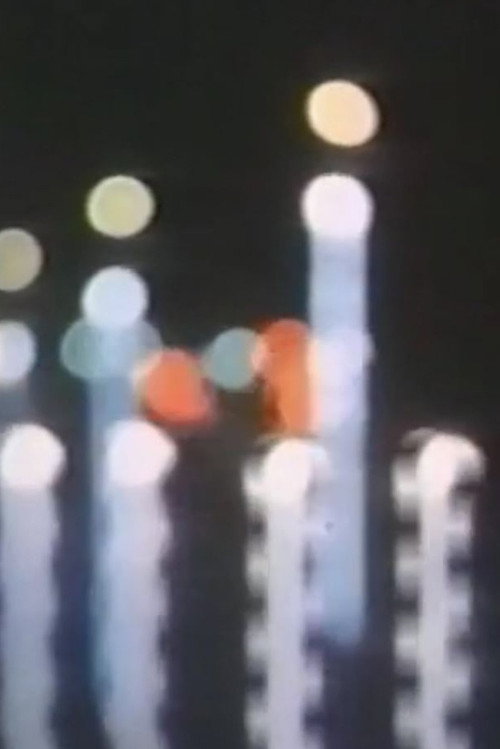
Painting with Light 1974
Lois Siegel's *Painting with Light* (1974) is a mesmerizing three-minute experimental short that blurs the line between cinema and visual art, transforming light into a painter's brushstroke.
Director: Lois Siegel
Frequently Asked Questions
What is Painting with Light (1974) about?
*Painting with Light* is a groundbreaking experimental short that transforms light into an artistic medium, much like paint on a canvas. Through time-exposure photography and re-filming techniques, director Lois Siegel creates a fluid, abstract visual experience that challenges traditional notions of filmmaking and art.
Who directed Painting with Light?
Painting with Light was directed by Lois Siegel, an experimental filmmaker known for her innovative approach to visual storytelling and light manipulation.
Who stars in Painting with Light?
Cast details for *Painting with Light* are not listed, as the film focuses on abstract visuals rather than traditional performances.
Is Painting with Light (1974) worth watching?
Though unrated on IMDb, *Painting with Light* offers a unique, atmospheric experience for fans of experimental cinema and abstract art. Its innovative techniques and meditative quality make it a compelling watch for those curious about the intersection of light, film, and visual art.
How long is Painting with Light?
Painting with Light has a runtime of 3 minutes.
About Painting with Light (1974) — The Experimental Short That Paints with Light
Lois Siegel's *Painting with Light* (1974) is a mesmerizing three-minute experimental short that blurs the line between cinema and visual art, transforming light into a painter's brushstroke. Using time-exposure photography and color-filtered slides, Siegel crafts a dreamlike sequence of abstract images, re-filming and animating them with precision. The optical printer becomes a tool of manipulation, stretching and distorting scenes to create a hypnotic, painterly effect—almost as if light itself is being sculpted into motion. The result is a meditative exploration of color, movement, and perception, challenging viewers to reconsider the boundaries of artistic creation.
Crafted in the avant-garde tradition, this experimental film eschews narrative for pure visual poetry, immersing audiences in a world where light behaves like pigment on canvas. With deliberate technical choices—such as unmasked negative printing—the short amplifies its experimental aesthetic, inviting comparisons to both early abstract animation and contemporary digital art. *Painting with Light* isn't just a film; it's an invitation to see the unseen, a fleeting yet powerful experiment that lingers like a brushstroke in the mind.