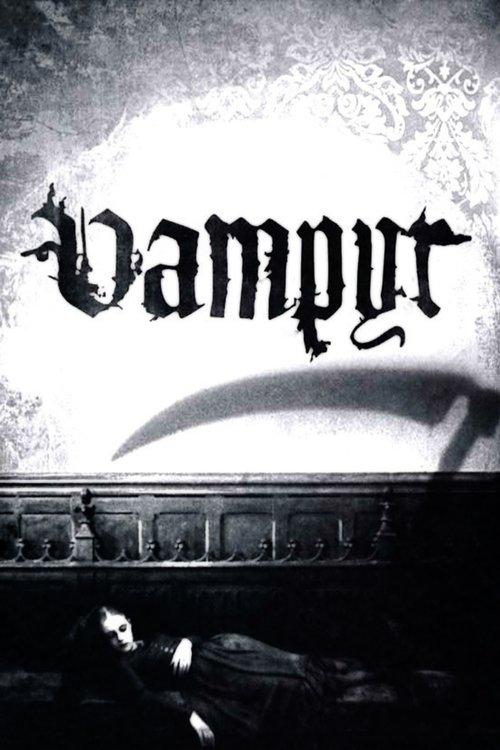
Vampyr 1932
"The strange adventure of Allan Gray."
Directed by the visionary Carl Theodor Dreyer, *Vampyr (1932)* is a hauntingly atmospheric horror-fantasy that immerses viewers in a world where nightmares feel disturbingly real.
Director: Carl Theodor Dreyer
Cast
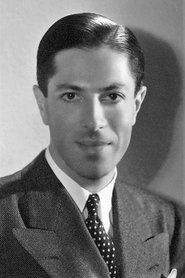
Nicolas de Gunzburg
Allan Grey
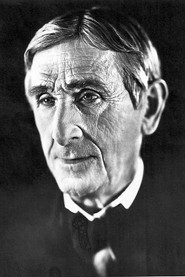
Maurice Schutz
The Lord of the Manor

Rena Mandel
Giséle

Sybille Schmitz
Léone
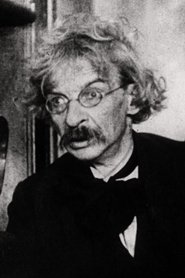
Jan Hieronimko
The Village Doctor
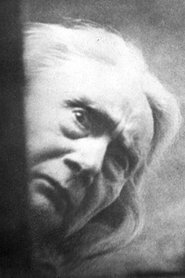
Henriette Gérard
The Old Woman from the Cemetery
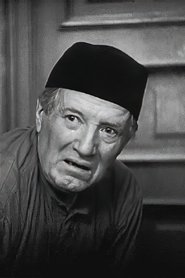
Albert Bras
The Old Servant
N. Babanini
The Old Servant's Wife
Jane Mora
The Nurse
Georges Boidin
Limping Man
Frequently Asked Questions
What is Vampyr (1932) about?
The film follows Allan Gray, a man obsessed with the supernatural, who travels to a remote village only to discover a vampire's curse lurking within. Tasked with protecting a young woman from the undead, Gray's journey descends into a surreal nightmare of dread and uncertainty.
Who directed Vampyr?
Carl Theodor Dreyer, the Danish master of atmospheric cinema, directed *Vampyr*. Known for his visually striking and emotionally intense films, Dreyer's direction here transforms horror into a hypnotic, dreamlike experience.
Who stars in Vampyr?
The film stars Nicolas de Gunzburg as Allan Gray, alongside Maurice Schutz, Sybille Schmitz, and Rena Mandel, whose performances anchor the eerie narrative in human emotion.
Is Vampyr (1932) worth watching?
*Vampyr* is a landmark in horror cinema, celebrated for its unsettling atmosphere and innovative storytelling. While its pacing may feel deliberate to modern audiences, its influence on psychological horror makes it a must-see for fans of the genre.
How long is Vampyr?
The film runs for 74 minutes, a concise but immersive runtime that ensures every frame contributes to its haunting effect.
🎥 Trailer
About Vampyr (1932) — A Dreamlike Descent into Gothic Horror
Directed by the visionary Carl Theodor Dreyer, *Vampyr (1932)* is a hauntingly atmospheric horror-fantasy that immerses viewers in a world where nightmares feel disturbingly real. The film follows Allan Gray, an inquisitive young man drawn to the occult, as he ventures into a secluded village where an unseen malevolence lingers in the shadows. His arrival coincides with a chilling revelation: an elderly landowner begs Gray to safeguard his two daughters, one of whom has fallen victim to a vampire's curse. As Gray's curiosity gives way to dread, he uncovers a web of supernatural horrors that blur the line between dream and reality.
With its eerie cinematography and unsettling silence—broken only by whispers of the uncanny—*Vampyr (1932)* crafts a dreamlike yet visceral experience, blending horror with philosophical undertones. The film's unsettling atmosphere lingers long after the final frame, leaving audiences to question what was seen—and what was merely imagined.