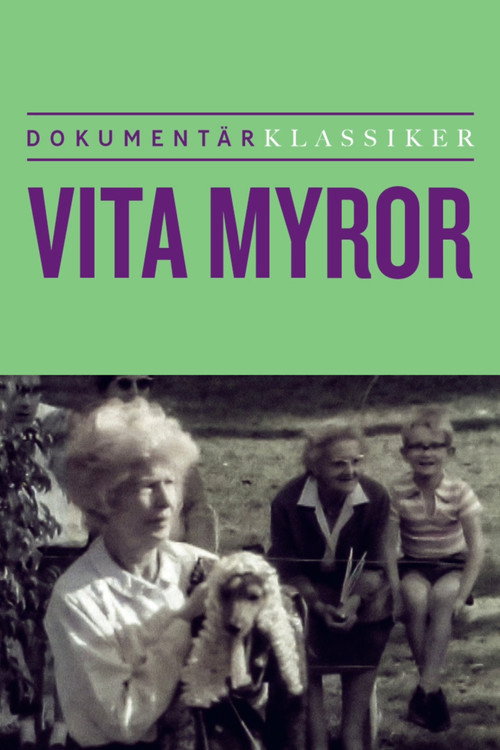
White Ants 1969
Bo Bjelfvenstam's *White Ants (1969)* transports viewers to the heart of Tanzania, where a revealing documentary uncovers the harsh realities of colonialism through candid interviews with European missionaries and plantation owners.
Director: Bo Bjelfvenstam
Frequently Asked Questions
What is White Ants (1969) about?
This 23-minute documentary follows director Bo Bjelfvenstam's journey to Tanzania, where he interviews European missionaries and plantation owners to expose the damaging effects of colonialism. The film blends personal testimonies with a critical look at how foreign rule disrupted local societies and economies.
Who directed White Ants?
Swedish filmmaker Bo Bjelfvenstam directed *White Ants*, bringing a documentary style that prioritizes raw, unfiltered interviews over dramatic flourishes.
Who stars in White Ants?
Director Bo Bjelfvenstam is the central presence in *White Ants*, though the film's focus is on the European missionaries and plantation owners he interviews about colonialism.
Is White Ants (1969) worth watching?
*White Ants* is a compelling watch for fans of historical documentaries, offering a concise yet impactful critique of colonialism in just 23 minutes. Its lack of IMDb rating doesn't detract from its value as a time capsule of dissent, though modern viewers may seek context about Tanzania's colonial past.
How long is White Ants?
The runtime for *White Ants* is 23 minutes.
About White Ants (1969) — A Short but Powerful Documentary on Colonialism's Legacy
Bo Bjelfvenstam's *White Ants (1969)* transports viewers to the heart of Tanzania, where a revealing documentary uncovers the harsh realities of colonialism through candid interviews with European missionaries and plantation owners. Shot in a stark, observational style, the 23-minute film peels back layers of political and social exploitation, exposing how foreign intervention left deep scars on local communities. The director's lens captures not just the economic toll of colonial systems but also the cultural erosion that followed, blending journalistic rigor with a quietly urgent tone. Though shot in black-and-white, its message feels urgent and contemporary, a snapshot of history that resonates with debates about power and legacy.
This short but potent film is a time capsule of dissent, offering a rare glimpse into the perspectives of those who witnessed colonialism's aftermath firsthand. Bjelfvenstam's approach is immersive yet restrained, letting the interviewees' words carry the weight of their experiences. It's a stark reminder of how systems built on domination can unravel long after their creators have moved on.