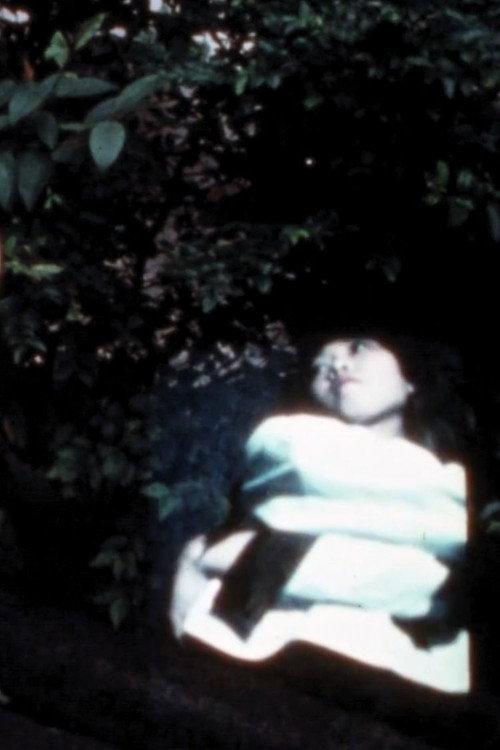
Summer is Gone 1978
Dive into the mesmerizing 30-minute world of *Summer is Gone (1978)*, a hypnotic short film crafted by director Nakamura Masanobu. This meditative piece immerses viewers in a dreamlike reverie, where the rhythm of everyday life is transformed into a gentle, flowing trance.
Director: Nakamura Masanobu
Frequently Asked Questions
What is Summer is Gone (1978) about?
*Summer is Gone (1978)* isn't a traditional narrative—it's an atmospheric journey where the mundane becomes magical. Through looping visuals and ambient music, the film transforms an everyday street into a portal of memory and introspection. Think of it as a cinematic daydream, where repetition and subtle shifts invite viewers to pause and reflect.
Who directed Summer is Gone?
The film was directed by Nakamura Masanobu, a master of experimental cinema known for his hypnotic and minimalist style. His work often explores themes of time, memory, and perception.
Who stars in Summer is Gone?
Cast details for *Summer is Gone (1978)* are not publicly listed, reflecting its experimental and non-narrative structure.
Is Summer is Gone (1978) worth watching?
*Summer is Gone (1978)* may not be for everyone, but if you appreciate films that prioritize mood and atmosphere over plot, it's a hidden gem. Its international acclaim speaks to its impact, offering a uniquely meditative experience in just 30 minutes. It's best enjoyed without expectations—just let the visuals and music wash over you.
How long is Summer is Gone?
The film has a runtime of 30 minutes.
About Summer is Gone (1978) — A 30-Minute Trance Film That Redefines Reality
Dive into the mesmerizing 30-minute world of *Summer is Gone (1978)*, a hypnotic short film crafted by director Nakamura Masanobu. This meditative piece immerses viewers in a dreamlike reverie, where the rhythm of everyday life is transformed into a gentle, flowing trance. Through subtle repetitions, fleeting images, and minimalist soundscapes, Nakamura blurs the line between reality and memory, turning an ordinary street into a canvas for daydreams. The film's understated yet deeply evocative approach has garnered international praise, making it a standout in experimental cinema. Its quiet intensity lingers long after the credits roll, inviting audiences to lose themselves in its tranquil, timeless atmosphere.
*Summer is Gone (1978)* is a celebration of stillness and contemplation, where the absence of dialogue and the reliance on visual repetition create a uniquely immersive experience. The interplay between familiar and unfamiliar elements evokes a sense of nostalgia without a specific story, leaving room for personal interpretation. Whether you're a fan of avant-garde cinema or simply curious about films that challenge conventional narrative structures, this short but powerful work offers a rare and rewarding escape from the ordinary.