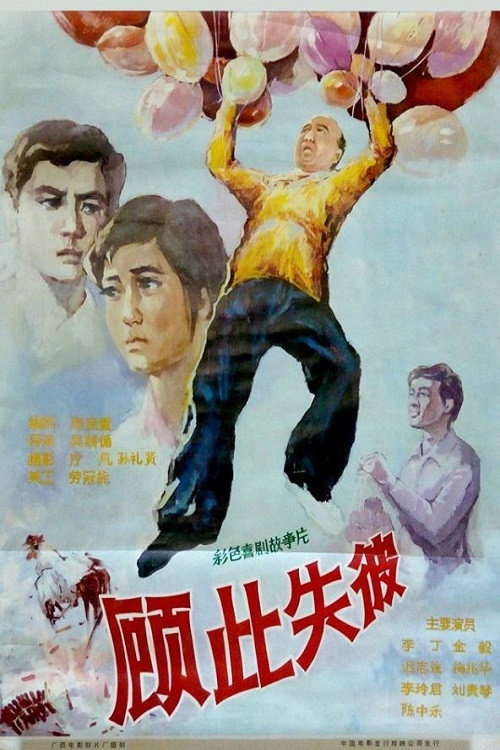
Gu ci shi bi 1981
In *Gu ci shi bi (1981)*, a tumultuous clash of pride and progress unfolds in 1980s rural China.
Director: Wu Yinxun
Cast


Frequently Asked Questions
What is Gu ci shi bi (1981) about?
*Gu ci shi bi* centers on a hard-headed Deputy Director whose poor decisions and resistance to criticism threaten his standing in Qinshan County. When his daughter falls for a man who openly challenges his methods, the clash exposes generational and ideological divides, blending humor with keen social observation.
Who directed Gu ci shi bi?
The film was directed by Wu Yinxun, marking one of his notable works in early Chinese cinema.
Who stars in Gu ci shi bi?
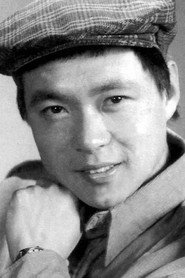
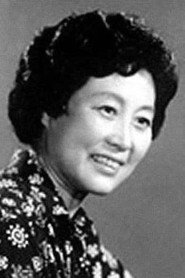
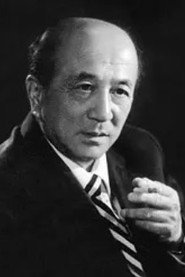
The cast features Chi Zhiqiang, Jin Yi, Li Lingjun, Gao Bo, and Mei Zhaohua in leading roles.
Is Gu ci shi bi (1981) worth watching?
While lacking an IMDb rating, *Gu ci shi bi* shines as a brief but impactful *Drama* and *Comedy* that critiques bureaucracy and family dynamics. Its concise runtime and sharp script make it a worthwhile watch for fans of character-driven Chinese films.
How long is Gu ci shi bi?
The film runs for 83 minutes, offering a tight and engaging experience.
About Gu ci shi bi (1981) — A satirical look at pride, progress, and a stubborn deputy director
In *Gu ci shi bi (1981)*, a tumultuous clash of pride and progress unfolds in 1980s rural China. Wu Yinxun's sharp *Drama* and *Comedy* satire follows a stubborn Deputy Director of Qinshan County's Bureau of Commerce, whose flawed business strategies and resistance to change collide with his daughter's rebellious love for a man willing to challenge his authority. The film brims with wit and warmth, portraying a generational tug-of-war where tradition battles innovation, all wrapped in the understated charm of a community caught between old habits and new ideas.
With a runtime of just 83 minutes, *Gu ci shi bi* delivers a punchy, character-driven narrative led by Chi Zhiqiang and Jin Yi at its comic and dramatic core. Themes of generational conflict, ego, and the cost of stubbornness resonate deeply, painting a vivid snapshot of post-revolutionary China's social dynamics. Its lighthearted yet biting tone makes it a hidden gem for fans of early Chinese cinema who appreciate stories that balance humor with quiet social commentary.