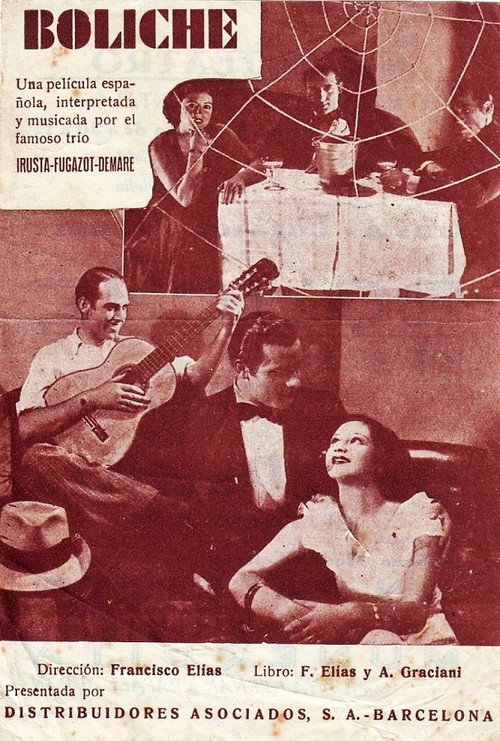
Boliche 1933
Boliche (1933) stands as one of Spain's pioneering sound films, marking a turning point in the country's cinematic history. Directed by Francisco Elías, this early comedy captures the exuberance of 1930s Spanish cinema, blending sharp wit with the energy of synchronized dialogue.
Director: Francisco Elías
Cast





Frequently Asked Questions
What is Boliche (1933) about?
Boliche (1933) is celebrated as one of Spain's earliest successful sound films, blending comedic storytelling with the technological marvel of synchronized audio. The plot revolves around lighthearted misadventures, reflecting the playful spirit of its time.
Who directed Boliche?
Boliche was directed by Francisco Elías, a pioneer in Spain's early cinema who helped shape the country's transition to sound.
Who stars in Boliche?
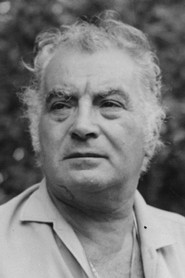
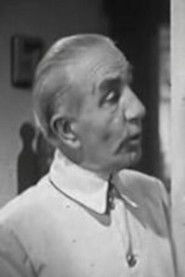
The film features Agustín Irusta, Roberto Fugazot, and Lucio Demare among its main cast, delivering performances that defined the era.
Is Boliche (1933) worth watching?
While Boliche is now a lost film, its historical significance makes it intriguing for cinephiles interested in early sound cinema. Though no rating exists, its cultural impact and comedic style would have appealed to 1930s audiences.
How long is Boliche?
Runtime details are not listed.
About Boliche (1933) — The Lost Gem of Early Spanish Talkies
Boliche (1933) stands as one of Spain's pioneering sound films, marking a turning point in the country's cinematic history. Directed by Francisco Elías, this early comedy captures the exuberance of 1930s Spanish cinema, blending sharp wit with the energy of synchronized dialogue. Though the film itself is now considered lost, its reputation endures as a testament to the creative potential of Spain's transition from silent to talkies. Featuring Agustín Irusta, Roberto Fugazot, and Lucio Demare, the movie radiates the playful charm of its era, offering a snapshot of cultural and artistic evolution during a time of technological revolution.
The film's comedic tone and innovative approach reflect the optimism and experimentation that defined early sound cinema. With its lighthearted storytelling and standout performances, Boliche (1933) remains a fascinating relic for film historians and enthusiasts alike. Even in its absence, its legacy invites curiosity about the vibrant era of Spanish filmmaking it represents.