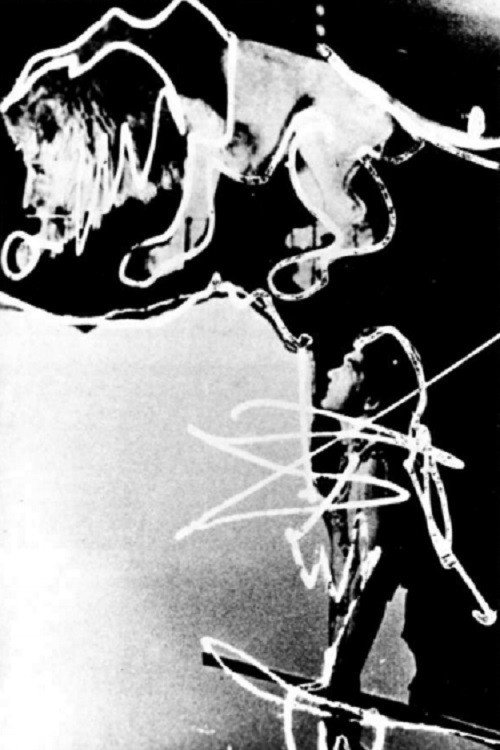
La derrota de Samotracia 1982
Ramón de Vargas crafts a mesmerizing 15-minute experimental short in *La derrota de Samotracia (1982)*, blending cinema and sculpture into a hypnotic visual experience.
Director: Ramón de Vargas
Frequently Asked Questions
What is *La derrota de Samotracia (1982)* about?
This experimental short reimagines motion and stillness by projecting light onto the Victory of Samothrace, turning a 2,000-year-old sculpture into a dynamic canvas. The film strips away narrative to focus on the interplay between art, time, and the viewer's perception.
Who directed *La derrota de Samotracia*?
Director information is not available.
Who stars in *La derrota de Samotracia*?
Cast details are not listed for this experimental short.
Is *La derrota de Samotracia (1982)* worth watching?
Though unrated on IMDb, *La derrota de Samotracia* offers a unique 15-minute escape for fans of avant-garde cinema. Its abstract approach rewards patient viewers with a meditative, visually striking experience.
How long is *La derrota de Samotracia*?
The film runs for 15 minutes.
La derrota de Samotracia (1982): A 15-Minute Experimental Masterpiece Explored
Ramón de Vargas crafts a mesmerizing 15-minute experimental short in *La derrota de Samotracia (1982)*, blending cinema and sculpture into a hypnotic visual experience. The film unfolds like a silent dialogue between light, shadow, and the iconic Hellenistic sculpture, the Victory of Samothrace, inviting viewers to explore movement and stillness in a single frame. With no conventional dialogue or narrative, de Vargas transforms the gallery space into a meditative journey, where the interplay of projection and sculpture evokes themes of transience and the fleeting nature of victory—echoing the ancient statue's broken wings and the fragility of triumph.
While *La derrota de Samotracia* defies genre conventions, it thrives as an avant-garde meditation on art's ability to transcend time. The film's minimalist approach and stark visuals create an atmosphere of quiet intensity, appealing to fans of experimental cinema who crave something beyond the mainstream. Its abstract nature challenges viewers to interpret meaning, making it a cult curiosity that lingers long after the credits roll.