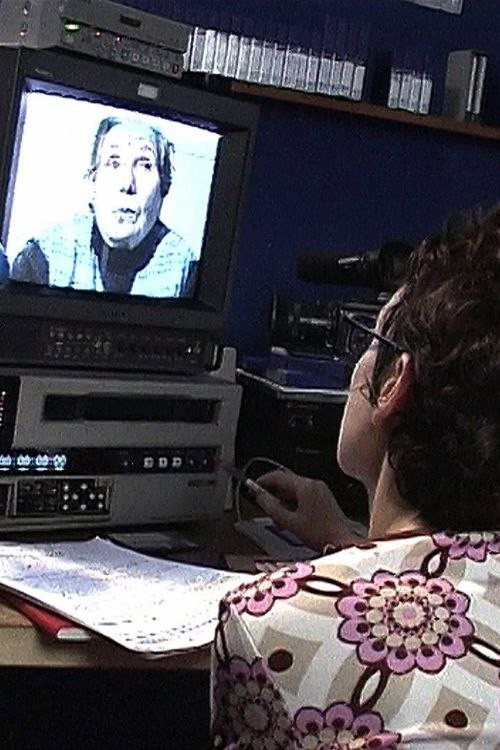
La memoria interior 2002
María Ruido's *La memoria interior* (2002) is a poignant, 33-minute essay film that weaves personal and collective narratives into a tapestry of remembrance and migration.
Director: María Ruido
Frequently Asked Questions
What is *La memoria interior* (2002) about?
*La memoria interior* follows director María Ruido as she traces her family's history of migration from Spain to Europe, turning personal recollections into a broader commentary on how collective memory is shaped—and suppressed. The film contrasts private stories with official historical narratives, highlighting the tension between remembrance and erasure in modern Europe.
Who directed *La memoria interior*?
The film was directed by María Ruido, a Spanish artist and filmmaker known for her work at the intersection of documentary and political critique.
Who stars in *La memoria interior*?
While the cast is not listed in available records, the film centers on María Ruido herself, whose personal narration drives the narrative forward.
Is *La memoria interior* (2002) worth watching?
Though unrated on IMDb, *La memoria interior* is a thoughtful and visually compelling short film that appeals to fans of essayistic cinema and political documentaries. Its intimate scale and bold thematic approach make it a rewarding watch for those interested in migration, memory, and the power of personal history.
How long is *La memoria interior*?
*La memoria interior* runs for 33 minutes.
La memoria interior (2002): A Deep Dive into Migration and Memory — Full Film Info
María Ruido's *La memoria interior* (2002) is a poignant, 33-minute essay film that weaves personal and collective narratives into a tapestry of remembrance and migration. Through her own family's history, Ruido explores the emotional and political weight of displacement from Spain to Europe, challenging the sanitized narratives of official history. By blending intimate storytelling with sharp social critique, the film transforms personal memory into a vibrant dialogue against institutionalized oblivion. The atmosphere is both reflective and urgent, as Ruido reclaims individual experiences to counter the aestheticized, depoliticized versions of the past.
Framed as a visual and auditory meditation, the movie interrogates how we remember—and why we forget. It champions the power of personal testimony as a tool for resistance, where silent archives and oral traditions collide. The result is a deeply human portrait of migration, where the past isn't just recalled but actively reconstructed, making *La memoria interior* a compelling watch for those drawn to politically charged cinema that resonates on both an intellectual and emotional level.