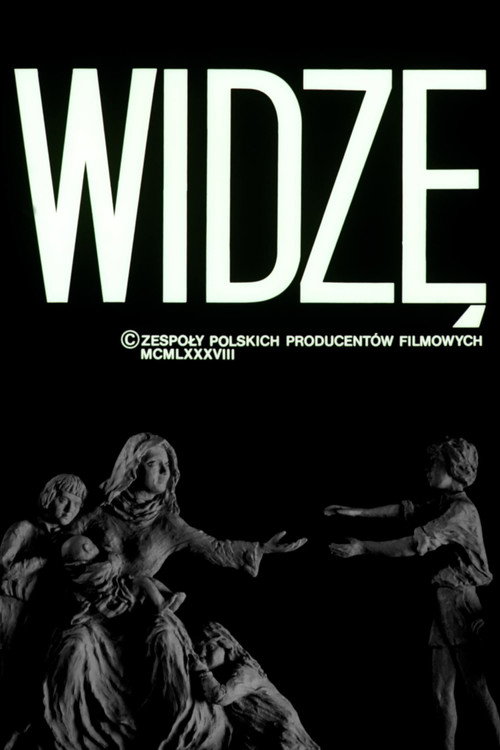
I See 1988
I See (1988), a thought-provoking documentary by Bogdan Dziworski, invites viewers into the vibrant world of Laski's center for blind children.
Director: Bogdan Dziworski
Frequently Asked Questions
What is I See (1988) about?
I See takes us inside a center for blind children in Laski, where we witness their unique way of engaging with the world. Through tactile exploration and clay modeling, they uncover the textures and forms of animals, revealing a sensory-rich reality often overlooked. The film captures these moments with poetic depth, blending their daily activities into a moving exploration of perception.
Who directed I See?
I See was directed by Bogdan Dziworski, a filmmaker known for his intimate and evocative documentaries that explore human experiences through a sensitive lens.
Who stars in I See?
Cast details for I See are not publicly listed, as it focuses primarily on the children and staff at the Laski center rather than traditional actors.
Is I See (1988) worth watching?
While lacking an IMDb rating, I See stands out as a poignant short documentary that offers a rare glimpse into the sensory world of blind children. Its poetic approach and universal themes make it a compelling watch for those interested in documentaries that challenge perceptions and evoke deep emotions.
How long is I See?
I See has a runtime of 25 minutes.
About I See (1988) — A Touching Documentary on Blind Children's World
I See (1988), a thought-provoking documentary by Bogdan Dziworski, invites viewers into the vibrant world of Laski's center for blind children. Through tactile exploration and creative expression, the film reveals how these children experience life—not through sight, but through the rich tapestry of sounds, textures, and scents. Their careful study of animals, both living and sculpted from clay, transforms everyday actions into profound acts of discovery and connection. Dziworski's sensitive direction elevates these seemingly simple moments, weaving them into a poetic meditation on perception, resilience, and the beauty of alternative ways of seeing.
The result is a hauntingly immersive film that challenges preconceptions about blindness. By focusing on the sensory richness of the children's interactions, I See transcends its documentary format, offering a universal reflection on how we all perceive the world. The film's minimalist yet evocative visuals complement its themes, creating an atmosphere that lingers long after the credits roll.