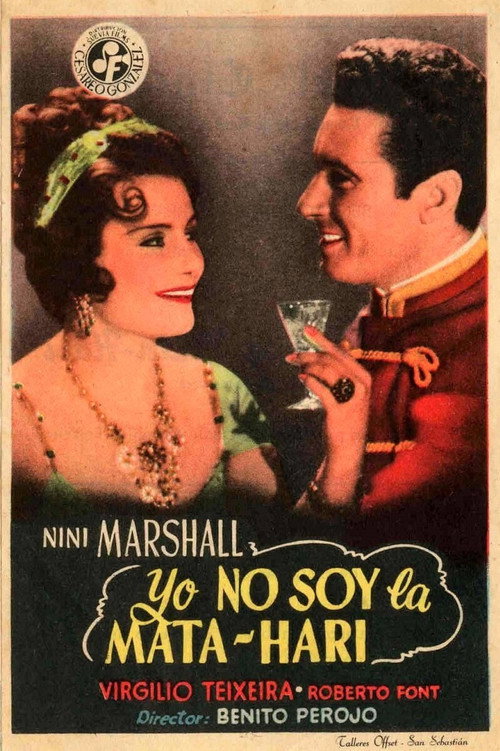
Yo no soy la Mata-Hari 1950
In the vibrant world of post-war espionage, *Yo no soy la Mata-Hari (1950)* weaves a playful yet suspenseful comedy about identity and deception.
Director: Benito Perojo
Cast

Frequently Asked Questions
What is Yo no soy la Mata-Hari (1950) about?
This Argentine comedy-drama follows Niní, a dancer manipulated by secret agents into posing as a spy's accomplice. After realizing she's been used, she reinvents herself as Agent X25, turning the tables on her manipulators with charm and wit.
Who directed Yo no soy la Mata-Hari?
The film was directed by Benito Perojo, a prolific filmmaker known for blending humor with social commentary in his works.
Who stars in Yo no soy la Mata-Hari?
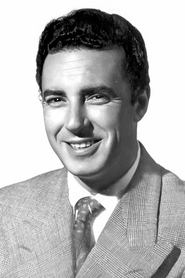
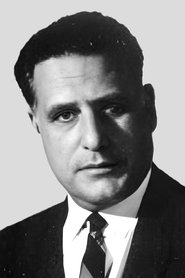
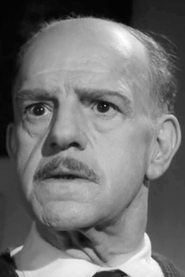
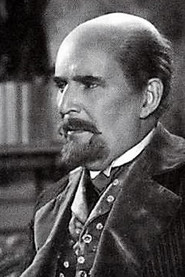
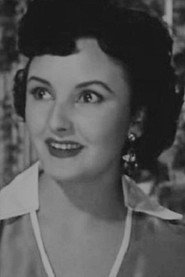
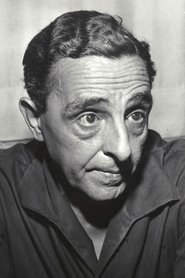
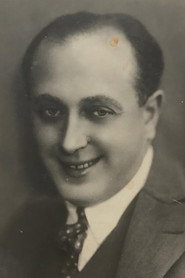
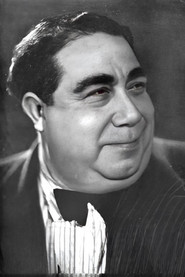
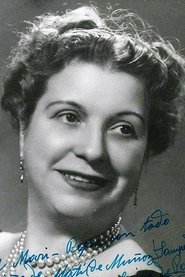
The cast features Niní Marshall as the lead, alongside Virgílio Teixeira, Rafael Calvo, Francisco Pierrá, and Ramón Martori in key roles.
Is Yo no soy la Mata-Hari (1950) worth watching?
While it lacks an IMDb rating, its blend of comedy and espionage themes makes it a charming time capsule of 1950s cinema. Fans of classic comedies and historical intrigue will likely find it engaging, especially for its sharp performances and satirical edge.
How long is Yo no soy la Mata-Hari?
The runtime is 83 minutes.
About Yo no soy la Mata-Hari (1950) — A Classic Comedy of Espionage and Identity
In the vibrant world of post-war espionage, *Yo no soy la Mata-Hari (1950)* weaves a playful yet suspenseful comedy about identity and deception. Directed by the versatile Benito Perojo, this Argentine gem stars the legendary Niní Marshall as a charmingly naive dancer caught in a web of manipulation. After the infamous spy Mata Hari meets her end, secret agents see an opportunity to snare her collaborators—using the unsuspecting dancer as bait. What unfolds is a delightful game of cat and mouse, where alliances shift and loyalties are tested in a world where no one is who they claim to be.
The film brims with wit, social satire, and the kind of energy that makes classic comedies so enduring. Marshall's spirited performance anchors the story, while Perojo's direction keeps the tone light yet sharp. Themes of trust and rebellion simmer beneath the surface, making *Yo no soy la Mata-Hari* more than just a lighthearted romp—it's a clever commentary on the power struggles of its time.