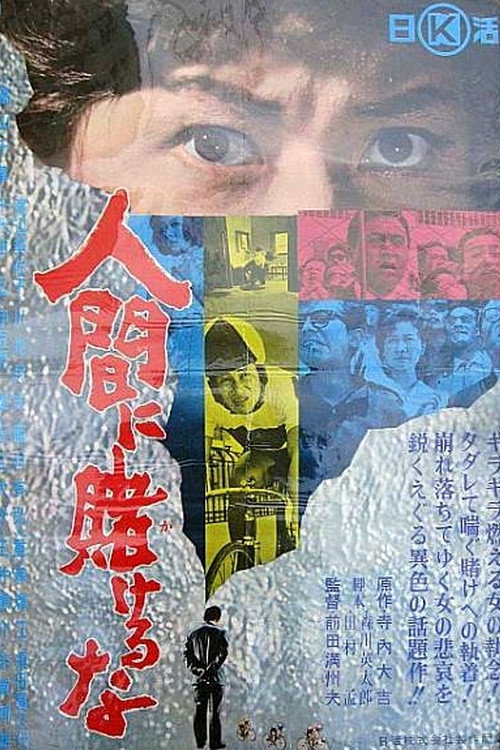
Ningen ni kakeruna 1964
Set in post-war Japan, *Ningen ni kakeruna (1964)* follows the quiet struggles of ordinary people navigating a world where dignity is as fragile as the bonds between them.
Director: Masuo Maeda
Cast

Misako Watanabe
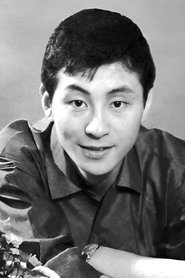
Tamio Kawachi
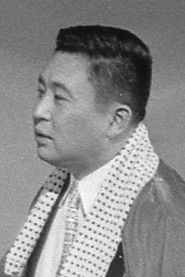
Arihiro Fujimura

Sachiko Kozuki

Mieko Yuki
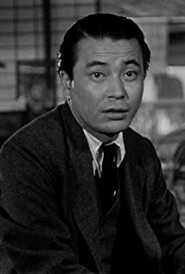
Hiroshi Nihon'yanagi
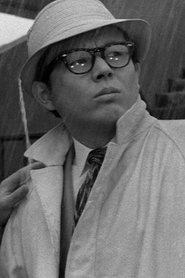
Yuzo Kiura
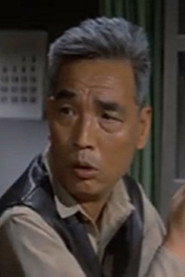
Nobuo Kawakami
Yasuo Itoga
Kikuyo Suda
Frequently Asked Questions
What is Ningen ni kakeruna (1964) about?
*Ningen ni kakeruna* is a 1964 drama that centers on ordinary people in post-war Japan, each grappling with dignity and survival in a society still healing from conflict. The film delicately traces their personal struggles, highlighting the quiet battles that shape their lives.
Who directed Ningen ni kakeruna?
Ningen ni kakeruna was directed by Masuo Maeda, a filmmaker known for his sensitive portrayals of human resilience.
Who stars in Ningen ni kakeruna?
The film features Misako Watanabe, Tamio Kawachi, and Arihiro Fujimura in lead roles, supported by Sachiko Kozuki and Mieko Yuki.
Is Ningen ni kakeruna (1964) worth watching?
*Ningen ni kakeruna* is a hidden gem for fans of classic drama and character-driven storytelling. Its introspective tone and strong performances make it a rewarding watch, even if it's lesser-known compared to contemporary releases.
How long is Ningen ni kakeruna?
Ningen ni kakeruna has a runtime of 84 minutes.
About Ningen ni kakeruna (1964) — A Thought-Provoking 1964 Drama You Shouldn't Miss
Set in post-war Japan, *Ningen ni kakeruna (1964)* follows the quiet struggles of ordinary people navigating a world where dignity is as fragile as the bonds between them. Directed by Masuo Maeda, this poignant drama weaves together the lives of Misako Watanabe, Tamio Kawachi, and Arihiro Fujimura in a story that explores vulnerability, resilience, and the quiet heroism of everyday existence. The film's black-and-white cinematography casts a somber glow over its themes, capturing the tension between personal desires and societal expectations. As characters confront their limitations, the narrative unfolds with an understated intensity, revealing the cracks in their facades and the unexpected strength found in shared hardship.
At its core, *Ningen ni kakeruna* is a meditation on what it means to be human in a world that often demands conformity. Maeda's direction leans into the raw emotions of his cast, with Watanabe and Kawachi delivering performances that linger long after the credits roll. The film's restrained yet evocative style makes it a standout in 1960s Japanese cinema, appealing to fans of introspective storytelling and character-driven drama.