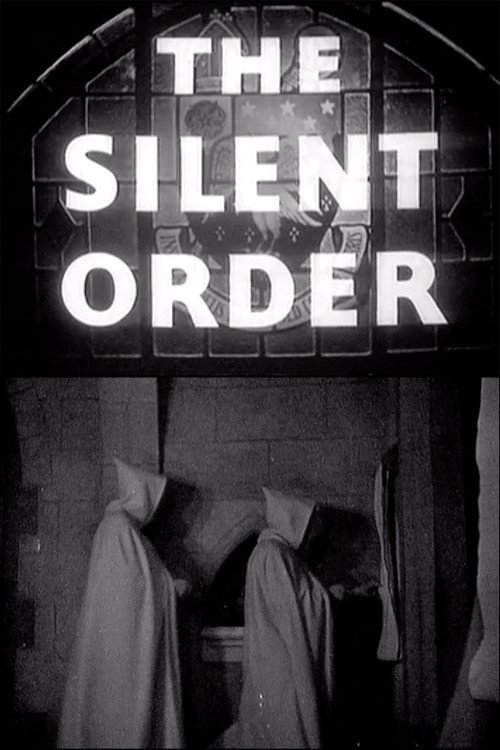
The Silent Order 1951
The Silent Order (1951) offers a rare glimpse into the contemplative world of Trappist monks at the historic Monastery of the Holy Cross in Roscrea, County Tipperary.
Director: Georg Fleischmann
Cast
Frequently Asked Questions
What is The Silent Order (1951) about?
The Silent Order follows the daily lives of Trappist monks at the 12th-century Monastery of the Holy Cross in Ireland, documenting their work as farmers, scholars, artists, and writers while reflecting on centuries of religious tradition.
Who directed The Silent Order?
Georg Fleischmann directed this 1951 documentary exploring monastic life in rural Ireland.
Who stars in The Silent Order?
Richard Massingham appears in The Silent Order, alongside other Trappist monks whose daily rituals form the heart of this contemplative documentary.
Is The Silent Order (1951) worth watching?
At just 11 minutes, The Silent Order provides a unique historical document of post-war monastic life in Ireland. Its short runtime and documentary format make it an accessible glimpse into a vanishing way of life.
How long is The Silent Order?
The Silent Order runs for 11 minutes.
About The Silent Order (1951) — Inside Ireland's Ancient Monastery
The Silent Order (1951) offers a rare glimpse into the contemplative world of Trappist monks at the historic Monastery of the Holy Cross in Roscrea, County Tipperary. Directed by Georg Fleischmann, this short documentary captures the monks' daily routines as they work the land, pursue scholarly studies, and create art and literature. Filmed in the aftermath of World War II, the film serves as a meditative portrait of religious life that has endured for over a millennium.
With Richard Massingham among the featured participants, the 11-minute documentary presents an intimate look at monastic devotion away from the chaos of modern society. The Silent Order (1951) transcends simple documentation, becoming a window into ten centuries of Irish history through the lens of these steadfast guardians of tradition. The film's quiet atmosphere and observational style make it a valuable piece of post-war British documentary filmmaking.
This unrated documentary stands as a testament to the enduring spiritual traditions that have shaped Ireland's cultural landscape, offering viewers a chance to experience the serene rhythm of monastic life through Fleischmann's respectful cinematography.