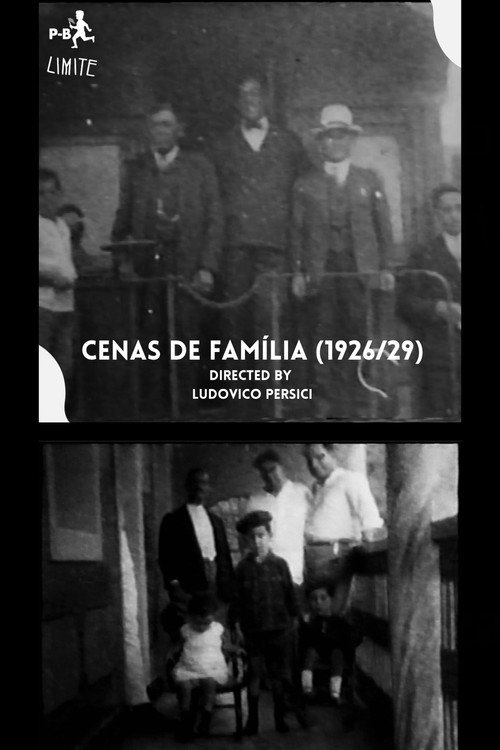
Family Scenes 1926
"A silent film recorded in the interior of Espírito Santo in the 1920s"
Dive into the charming black-and-white world of *Family Scenes* (1926), Ludovico Persici's rare silent documentary that captures the spirit of early 20th-century Brazil.
Director: Ludovico Persici
Frequently Asked Questions
What is Family Scenes (1926) about?
This silent documentary by Ludovico Persici showcases everyday life in Espírito Santo during the 1920s, blending personal family moments with the rhythm of local routines. The film's gentle pace and candid style invite viewers to step back in time and experience the charm of early Brazilian society.
Who directed Family Scenes?
Ludovico Persici directed *Family Scenes*. His passion for capturing life on film made this documentary a lasting treasure of Brazilian cinema history.
Who stars in Family Scenes?
Director Ludovico Persici is the creative force behind the camera, though the film's true stars are the people and places of Espírito Santo.
Is Family Scenes (1926) worth watching?
While *Family Scenes* may not be a blockbuster, its historical value and nostalgic charm make it a fascinating watch for silent film fans and those interested in early Brazilian cinema. As a rare surviving document of its era, it offers a unique window into the past.
How long is Family Scenes?
Family Scenes runs for 20 minutes.
About Family Scenes (1926) — Discover Ludovico Persici's Silent Documentary Masterpiece
Dive into the charming black-and-white world of *Family Scenes* (1926), Ludovico Persici's rare silent documentary that captures the spirit of early 20th-century Brazil. Shot on the streets and countryside of Espírito Santo, this 20-minute gem documents everyday life in the municipality of Castelo with a sense of wonder and curiosity.
Through Persici's lens, *Family Scenes* becomes more than a film—it's a time capsule brimming with playful family moments, bustling local scenes, and the raw beauty of a region coming into its own. As one of the few surviving works from Persici, it stands as a vital piece of Brazilian cinema history, offering a glimpse into the cultural tapestry of the 1920s. The film's nostalgic charm and historical significance make it a must-see for silent film enthusiasts and lovers of vintage cinema alike.