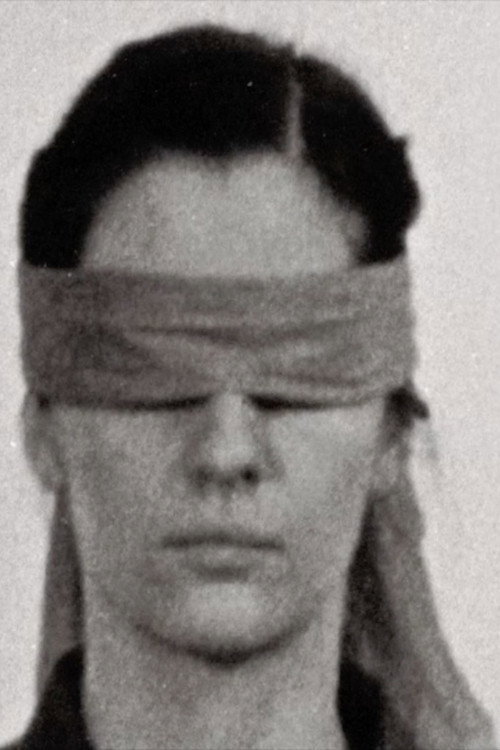
Art is in Life 1984
A fleeting yet striking 1984 short film by Polish director Iwona Lemke-Konart, *Art is in Life* distills the essence of creativity into just nine cinematic minutes.
Director: Iwona Lemke-Konart
Frequently Asked Questions
What is Art is in Life (1984) about?
This nine-minute experimental short explores how ordinary life is itself a form of art. Through carefully composed visuals, the film highlights the beauty in mundane moments, inviting viewers to see the world with fresh eyes. It's less about narrative and more about the quiet revelation of meaning in everyday existence.
Who directed Art is in Life?
The film was directed by Iwona Lemke-Konart, a Polish filmmaker known for her evocative and minimalist approach to visual storytelling.
Who stars in Art is in Life?
Cast details for this short film are not publicly listed.
Is Art is in Life (1984) worth watching?
While lacking a traditional plot or cast credits, *Art is in Life* offers a unique and thought-provoking experience for fans of avant-garde cinema. Its concise runtime and artistic vision make it a compelling watch for those interested in experimental filmmaking, though it may not appeal to viewers seeking conventional entertainment.
How long is Art is in Life?
The film runs for 9 minutes.
About Art is in Life (1984) — A Short Film That Redefines Everyday Beauty
A fleeting yet striking 1984 short film by Polish director Iwona Lemke-Konart, *Art is in Life* distills the essence of creativity into just nine cinematic minutes. The film lingers on the interplay between everyday moments and artistic expression, suggesting that beauty and meaning are woven into the fabric of ordinary life. Through subtle visual storytelling, Lemke-Konart invites viewers to reconsider the mundane as a canvas for inspiration. The atmosphere is contemplative, even meditative, as the director's lens transforms familiar scenes into something quietly profound.
*Art is in Life (1984)* doesn't rely on dialogue or elaborate sets; instead, it captures fleeting gestures, textures, and spaces that feel both intimate and universal. The themes of perception and presence resonate deeply, making the film a meditation on how we engage with the world around us. Though modest in length, its impact lingers like a well-composed still life, leaving audiences to reflect on their own relationship with art and existence.