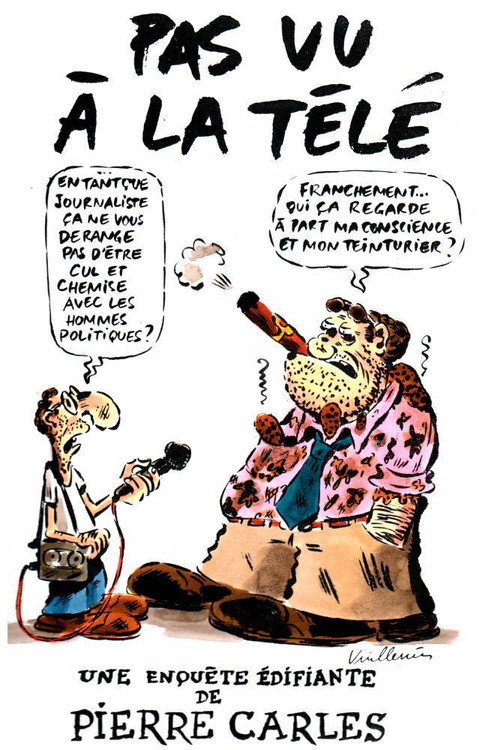
Pas vu à la télé 1995
Pierre Carles' daring 1995 documentary *Pas vu à la télé* pulls back the curtain on France's media landscape, exposing the invisible boundaries between news, entertainment, and power.
Director: Pierre Carles
Frequently Asked Questions
What is *Pas vu à la télé* (1995) about?
Pierre Carles' documentary exposes the hidden forces shaping television news in 1990s France. It examines how corporate and political pressures influence what stories are broadcast—and which ones are buried.
Who directed *Pas vu à la télé*?
The film was directed by Pierre Carles, a filmmaker known for his investigative documentaries that challenge mainstream media narratives.
Who stars in *Pas vu à la télé*?
While the cast list isn't widely documented, the film prominently features interviews with journalists, media critics, and television personalities who challenge conventional news coverage.
Is *Pas vu à la télé* (1995) worth watching?
Though IMDb ratings aren't available, the documentary's sharp critique of media bias and its historical significance make it compelling for fans of investigative films. Its blend of humor and provocation ensures it's more than just a dry exposé.
How long is *Pas vu à la télé*?
Runtime details are not listed.
About Pas vu à la télé (1995) — A Groundbreaking Documentary on Media Bias and Power
Pierre Carles' daring 1995 documentary *Pas vu à la télé* pulls back the curtain on France's media landscape, exposing the invisible boundaries between news, entertainment, and power. The film weaves together interviews, archival clips, and candid moments to reveal how television shapes public perception, often sidelining stories that challenge the status quo. With a sharp, investigative tone, Carles crafts a vivid snapshot of 1990s television culture, where corporate interests and political agendas frequently override journalistic integrity.
Blending humor with biting critique, *Pas vu à la télé* challenges viewers to question what—and who—gets airtime. The documentary's atmosphere is electric, oscillating between investigative rigor and satirical edge as it dissects the mechanics of mass media. Through its unflinching lens, the film becomes a time capsule of both the era's media ethics and the enduring struggle for transparency in journalism.
A must-watch for anyone fascinated by the behind-the-scenes power of television, this documentary offers both a wake-up call and a rallying cry for a more accountable media landscape.