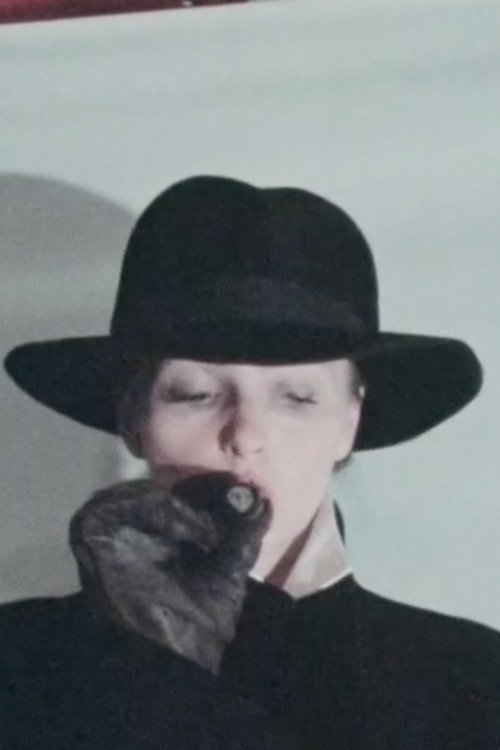
Arta 1984
Arta (1984), the final cinematic work by Polish avant-garde artist Teresa Tyszkiewicz, marks a fleeting yet fascinating chapter in her creative journey.
Director: Teresa Tyszkiewicz
Frequently Asked Questions
What is Arta (1984) about?
Arta (1984) is a short experimental film by Teresa Tyszkiewicz that juxtaposes pin-process art with large-format compositions, reflecting her artistic transition during her time in France. The film serves as a visual bridge between her early works and the immersive, performative art she later embraced.
Who directed Arta?
Teresa Tyszkiewicz, the renowned Polish avant-garde artist, directed Arta (1984). This film stands as her only cinematic work created during her years in France after emigrating in 1982.
Who stars in Arta?
Cast details for Arta (1984) are not publicly available, as the film is primarily a visual and conceptual piece rather than a traditional narrative production.
Is Arta (1984) worth watching?
While Arta (1984) is a niche experimental short without a traditional plot, it offers a fascinating glimpse into Teresa Tyszkiewicz's artistic evolution. Its brevity and visual innovation make it a compelling watch for fans of avant-garde cinema and modern art, even if it may not appeal to mainstream audiences.
How long is Arta?
Arta (1984) has a runtime of 6 minutes.
Arta (1984): Teresa Tyszkiewicz's Avant-Garde Short Film Explained
Arta (1984), the final cinematic work by Polish avant-garde artist Teresa Tyszkiewicz, marks a fleeting yet fascinating chapter in her creative journey. Created after her relocation to France in 1982, this six-minute short film bridges her early artistic explorations with the groundbreaking pin technique that would soon define her later career. The visuals blend tactile pin-process imagery with large-format compositions, evoking a sense of delicate precision and artistic transformation. The film's brief runtime belies its conceptual depth, offering a glimpse into Tyszkiewicz's evolution from traditional mediums to the performative and meticulous art forms she embraced thereafter. Its atmosphere is one of quiet experimentation, where every frame feels like a deliberate brushstroke in the artist's personal manifesto.
Though sparse in dialogue, Arta (1984) speaks volumes through its visual language, embodying the spirit of artistic reinvention. The film captures a pivotal moment in Tyszkiewicz's career, signaling a shift toward installations and body art that would dominate her future projects. The interplay of texture, scale, and artistic process in the pin-process sequences creates a hypnotic, almost tactile viewing experience. For fans of experimental cinema and avant-garde art, this short film is a rare and precious artifact—a compact yet profound testament to an artist's fearless pursuit of new creative horizons.