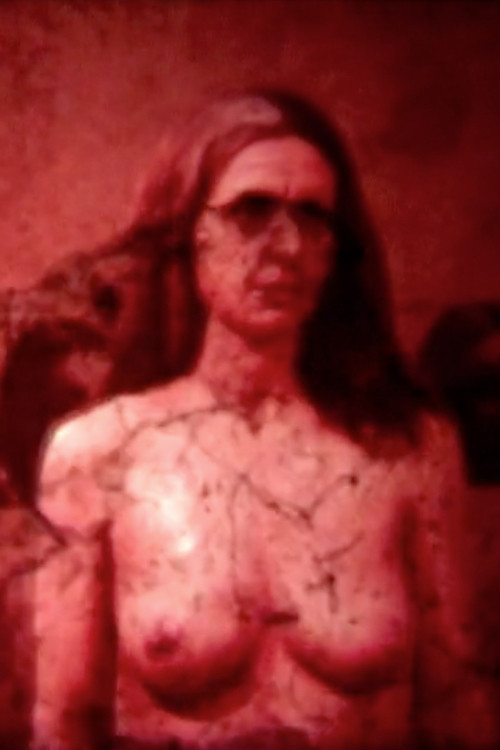
Change. My Problem is a Problem of a Woman 1979
Ewa Partum's *Change. My Problem is a Problem of a Woman* (1979) stands as a provocative cornerstone in her radical feminist filmography, marking the explosive culmination of a daring artistic experiment first ignited in 1974.
Director: Ewa Partum
Frequently Asked Questions
What is Change. My Problem is a Problem of a Woman (1979) about?
This documentary captures artist Ewa Partum's striking self-transformation as she artificially ages half her face, challenging societal perceptions of women's identity and aging. The film documents a radical act of self-representation that critiques beauty standards and the commodification of female appearance.
Who directed Change. My Problem is a Problem of a Woman?
The film was directed by Ewa Partum, a pioneering Polish conceptual artist and feminist whose work often explores identity, language, and gender through visual and performative mediums.
Who stars in Change. My Problem is a Problem of a Woman?
The sole performer in the film is Ewa Partum herself, using her own face and voice to deliver a deeply personal and political statement.
Is Change. My Problem is a Problem of a Woman (1979) worth watching?
As a short but densely layered feminist documentary, this film offers a rare glimpse into avant-garde art that questions societal norms. While its experimental nature may not appeal to all, its bold themes and striking visuals make it a compelling watch for fans of conceptual cinema and feminist art.
How long is Change. My Problem is a Problem of a Woman?
The film has a runtime of 7 minutes.
About Change. My Problem is a Problem of a Woman (1979) — Ewa Partum's Bold Feminist Film Explained
Ewa Partum's *Change. My Problem is a Problem of a Woman* (1979) stands as a provocative cornerstone in her radical feminist filmography, marking the explosive culmination of a daring artistic experiment first ignited in 1974. This seven-minute documentary crystallizes Partum's unflinching interrogation of gender, identity, and societal expectations through a haunting visual transformation. Using bold makeup, she artificially aged half her face, confronting viewers with the stark dissonance between youthful glamour and inevitable decay. The film strips away artifice to expose how women's worth is often measured by appearance, weaving a raw narrative that lingers long after the credits roll.
Partum's work pulses with a visceral, almost uncomfortable energy, blending performance art with documentary immediacy. By pressing her lipstick-stained lips to paper and speaking while half her face ages in real time, she turns the act of self-documentation into a political statement. The atmosphere is tense, introspective, and unapologetically raw—inviting audiences to question not just the film's imagery, but the very systems that shape how women are seen and judged.