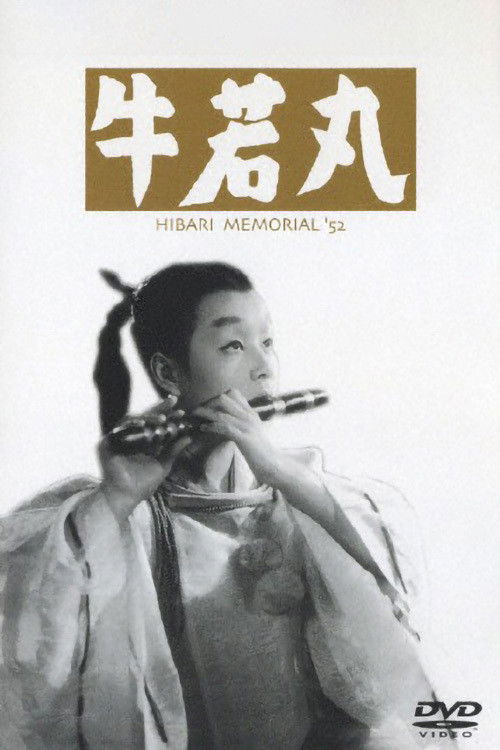
Ushiwakamaru 1952
Set against the backdrop of Japan's tumultuous post-war era, Ushiwakamaru (1952) is a poignant drama that delves into the lives of those struggling to find their place in a rapidly changing world.
Director: Tatsuo Ōsone
Cast





Frequently Asked Questions
What is Ushiwakamaru (1952) about?
This film is a poignant drama that explores the complexities of love, loss, and redemption in post-war Japan.
Who directed Ushiwakamaru?
Ushiwakamaru was directed by Tatsuo Ōsone, a masterful storyteller known for his nuanced portrayals of the human condition.
Who stars in Ushiwakamaru?
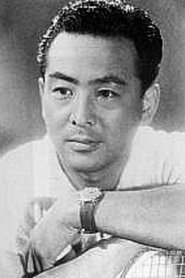
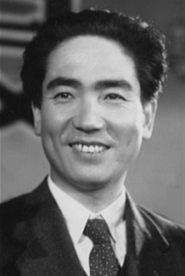
The film features standout performances from Hibari Misora and Michitarō Mizushima, among others.
Is Ushiwakamaru (1952) worth watching?
While the film's IMDb rating may be unknown, its thought-provoking themes and masterful storytelling make it a compelling watch for fans of drama and social commentary.
How long is Ushiwakamaru?
Ushiwakamaru has a runtime of 115 minutes.
About Ushiwakamaru (1952) — A poignant drama set against the backdrop of post-war Japan
Set against the backdrop of Japan's tumultuous post-war era, Ushiwakamaru (1952) is a poignant drama that delves into the lives of those struggling to find their place in a rapidly changing world. Directed by Tatsuo Ōsone, this film masterfully weaves together the intricate threads of its characters, creating a rich tapestry that is as much about human resilience as it is about the societal upheaval of the time. Hibari Misora and Michitarō Mizushima deliver standout performances in this gripping drama that explores the complexities of love, loss, and redemption.
With its nuanced portrayal of a nation in flux, Ushiwakamaru (1952) offers a thought-provoking cinematic experience that is as much about the people as it is about the place they inhabit. As the camera pans across the landscape, we are reminded of the enduring power of the human spirit, even in the face of adversity. This film is a testament to the enduring legacy of Japanese cinema and a must-watch for fans of drama and social commentary.