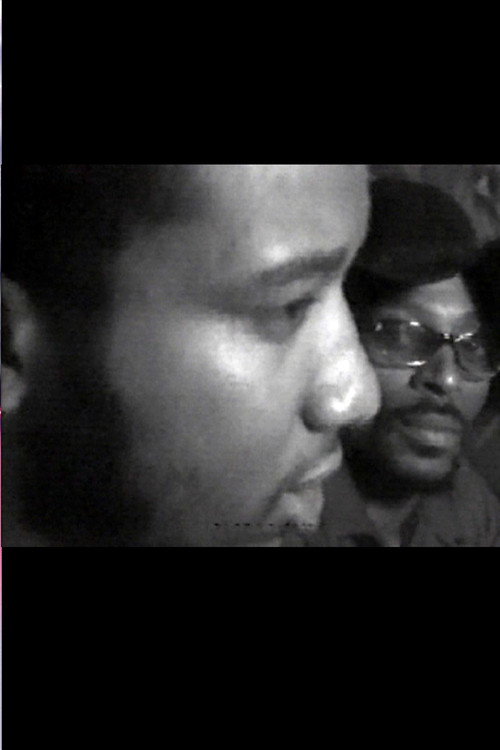
Fred Hampton: Black Panthers in Chicago 1969
In Fred Hampton: Black Panthers in Chicago (1969), the charismatic young Black Panther leader Fred Hampton discusses the revolutionary initiatives that defined his activism in the Windy City.
Cast
Frequently Asked Questions
What is Fred Hampton: Black Panthers in Chicago (1969) about?
This 1969 documentary follows Black Panther leader Fred Hampton as he discusses the organization's social programs in Chicago, including free breakfast for children and free health clinics. Hampton also addresses systemic racism, power structures, and the need for collective action during a turbulent era of American history.
Who directed Fred Hampton: Black Panthers in Chicago?
Director information is not available.
Who stars in Fred Hampton: Black Panthers in Chicago?
The film features Fred Hampton, the influential Black Panther leader and activist, as its sole focus and voice.
Is Fred Hampton: Black Panthers in Chicago (1969) worth watching?
Though brief, this documentary offers a powerful perspective on activism and community service. As a historical piece, it's best appreciated for its cultural and educational value rather than entertainment.
How long is Fred Hampton: Black Panthers in Chicago?
The runtime is 24 minutes.
About Fred Hampton: Black Panthers in Chicago (1969) — Voices of Resistance in a Short Documentary Classic
In Fred Hampton: Black Panthers in Chicago (1969), the charismatic young Black Panther leader Fred Hampton discusses the revolutionary initiatives that defined his activism in the Windy City. Shot in 1969, this short documentary captures Hampton's fiery yet measured voice as he explains the Free Breakfast for Children Program and the Free Health Clinic—projects designed to nourish and protect Chicago's most vulnerable communities. Discussing systemic racism, unchecked power, and the dangers of fascism, Hampton frames activism as both education and service, urging viewers to lead by example rather than through empty rhetoric.
The film offers a raw, urgent glimpse into a moment when grassroots leaders dared to confront injustice head-on. Hampton's words blend idealism with practicality, painting a portrait of resistance rooted in community care. This 24-minute documentary is more than a historical artifact—it's a clarion call that still resonates today.