Suicide 1979
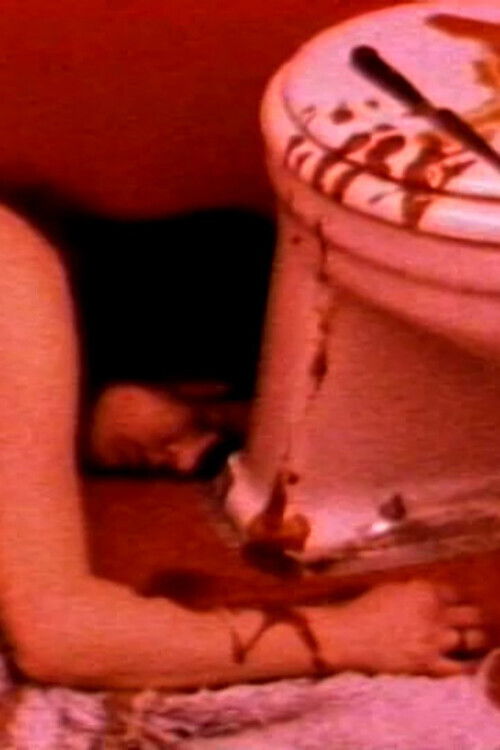
"Suicide (1979)" is a hauntingly raw eight-minute horror short by visionary experimental filmmaker Anne Charlotte Robertson, crafted as a visceral confrontation with self-destruction.
Director: Anne Charlotte Robertson
Frequently Asked Questions
What is Suicide (1979) about?
Anne Charlotte Robertson's six-minute horror short confronts suicide directly, presenting graphic depictions of self-harm as a way to silence the voices in her head. The film blends raw emotion with experimental editing, transforming personal anguish into a cathartic cinematic act.
Who directed Suicide?
The film was directed by Anne Charlotte Robertson, a pioneering experimental filmmaker known for her deeply personal and autobiographical works.
Who stars in Suicide?
Cast details for "Suicide (1979)" are not publicly listed.
Is Suicide (1979) worth watching?
As a short experimental horror film with no IMDb rating, "Suicide (1979)" offers a unique, if unsettling, viewing experience best suited for fans of avant-garde cinema. Its raw emotional power and artistic intent make it intriguing for those interested in Robertson's legacy, though its graphic content may not appeal to all audiences.
How long is Suicide?
The runtime for "Suicide (1979)" is approximately 8 minutes.
About Suicide (1979) — Anne Charlotte Robertson's chilling experimental horror short
"Suicide (1979)" is a hauntingly raw eight-minute horror short by visionary experimental filmmaker Anne Charlotte Robertson, crafted as a visceral confrontation with self-destruction. Robertson, known for her deeply personal and autobiographical works, channels her inner turmoil into this stark exploration of suicide—not as spectacle, but as a raw, cathartic release. The film's frenzied editing and unflinching imagery create an oppressive atmosphere, mirroring the suffocating grip of suicidal ideation. By confronting her darkest thoughts on screen, Robertson discovers an unexpected sense of liberation. The result is less a narrative and more a psychological purge, a cinematic scream into the void that lingers long after the credits roll.
Through its experimental form and deeply personal origins, "Suicide (1979)" transcends typical horror conventions, offering a glimpse into the mind of its creator. Robertson's work stands as a testament to the therapeutic power of art, where the act of creation becomes both weapon and shield against inner demons. The film's minimal runtime belies its emotional weight, leaving viewers unsettled yet strangely uplifted—a paradox that defines its unsettling brilliance.