When Kings Were the Law 1912
Directed by the silent-era pioneer D.W. Griffith, *When Kings Were the Law (1912)* immerses viewers in the glittering yet treacherous court of Romanda, where power and passion collide.
Director: D.W. Griffith
Cast
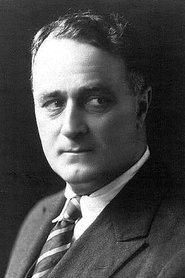
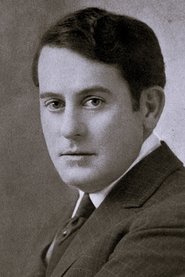
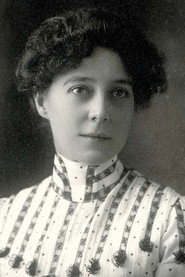
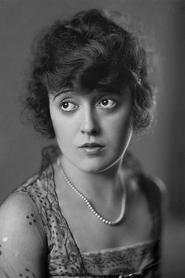
Frequently Asked Questions
What is *When Kings Were the Law* (1912) about?
This silent-era drama follows a king whose blind devotion to his favorite sets off a chain of courtly intrigue and betrayal. A priceless necklace becomes the centerpiece of loyalty and temptation, while political rivals scheme in the shadows. The film explores how love and power can unravel even the most sacred oaths.
Who directed *When Kings Were the Law*?
D.W. Griffith, a titan of early cinema known for shaping the language of film storytelling, directed *When Kings Were the Law*.
Who stars in *When Kings Were the Law*?
The film features Wilfred Lucas, Edwin August, Dorothy Bernard, Mabel Normand, and J. Jiquel Lanoe in key roles that bring the royal drama to life.
Is *When Kings Were the Law* (1912) worth watching?
As a product of D.W. Griffith's early career, *When Kings Were the Law* offers a fascinating glimpse into silent filmmaking's power to convey emotion and drama. Its brisk runtime and themes of loyalty and betrayal make it a compelling watch for fans of classic cinema and historical storytelling.
How long is *When Kings Were the Law*?
The film runs for 10 minutes, a concise snapshot of early 20th-century drama.
About When Kings Were the Law (1912) — Silent-Era Drama of Power, Passion, and Betrayal
Directed by the silent-era pioneer D.W. Griffith, *When Kings Were the Law (1912)* immerses viewers in the glittering yet treacherous court of Romanda, where power and passion collide. At the heart of this dramatic miniature is a king whose devotion to his favorite creates a web of intrigue that ensnares nobles, rivals, and even himself. A priceless necklace becomes the symbol of loyalty and temptation, its glittering surface masking the darker currents that threaten to upend the kingdom. With lavish sets, expressive performances, and Griffith's characteristic flair for moral tension, the film paints a vivid portrait of ambition and devotion in a world where loyalty is currency and betrayal lurks behind every gilded door.
This 10-minute drama unfolds like a miniature epic, blending courtly romance with the sharp edges of political rivalry. As alliances shift and oaths are tested against the night sky, the story examines how even the strongest bonds—whether between lovers or rulers—can fracture under pressure. Griffith's direction lends the tale an emotional depth that belies its brevity, while the ensemble cast brings the royal drama to life with nuanced performances that linger long after the credits roll.