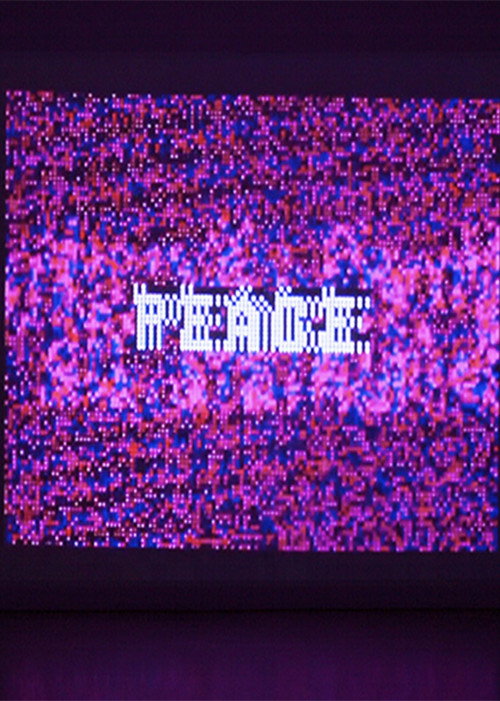
Poem Field No. 7 1967
Dive into the mesmerizing world of *Poem Field No. 7 (1967)*, a groundbreaking 4-minute animation directed by the visionary Stan VanDerBeek.
Director: Stan VanDerBeek
Frequently Asked Questions
What is Poem Field No. 7 (1967) about?
This short film turns a profound poetic statement into a visual meditation on peace and spirituality. Its abstract calligraphic animation, set to John Cage's experimental score, explores themes of conflict and harmony through random, computer-generated patterns.
Who directed Poem Field No. 7?
The film was directed by Stan VanDerBeek, a pioneering figure in experimental and computer animation.
Who stars in Poem Field No. 7?
Cast information for this film is not available.
Is Poem Field No. 7 (1967) worth watching?
While niche and unrated, *Poem Field No. 7* is a fascinating artifact for fans of avant-garde cinema and 1960s experimental art. Its brevity and abstract nature make it a unique, if esoteric, experience worth exploring for its historical and artistic significance.
How long is Poem Field No. 7?
The runtime is 4 minutes.
About Poem Field No. 7 (1967) — The 1960s Art Film That Merged Poetry, Tech, and Spirituality
Dive into the mesmerizing world of *Poem Field No. 7 (1967)*, a groundbreaking 4-minute animation directed by the visionary Stan VanDerBeek. This avant-garde short film transforms a profound poem—"There is no way to peace; Peace is the way"—into a hypnotic visual journey, blending black-and-white calligraphic patterns with bursts of color. Set to the experimental soundtrack of John Cage, the film's random computer-generated designs evoke themes of spirituality and existential contemplation, with Christian imagery like crosses woven into its abstract tapestry. The result is a fleeting yet unforgettable experience, where art, technology, and philosophy collide in a fleeting dance of light and sound.
*Poem Field No. 7* is a product of its time, emerging from the creative ferment of 1960s experimental cinema. Its collaboration with programmer Ken Knowlton and the use of early computer animation techniques make it a fascinating artifact of media history. For fans of abstract, thought-provoking cinema, this film offers a rare glimpse into how technology and artistry intersected to challenge conventional storytelling—all in under five minutes.