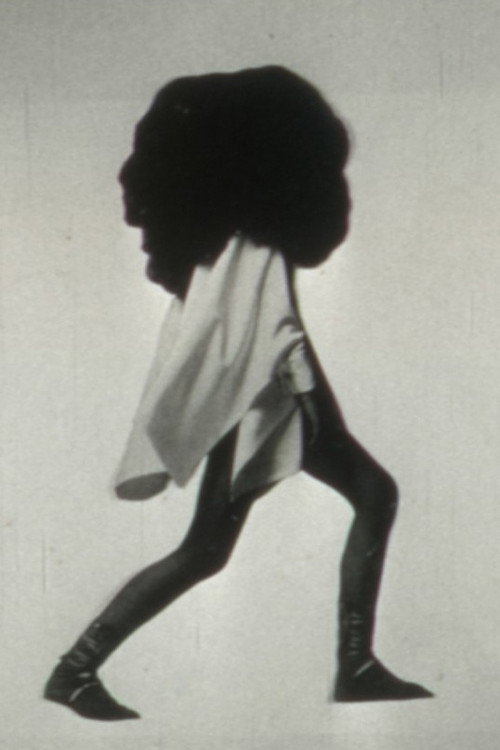
Sacrifice 1968
Director James Douglas crafts a bold, 5-minute animated surrealist short, Sacrifice (1968), that peels back layers of perception to reveal a world where visual illusions and stark realities collide.
Director: James Douglas
Frequently Asked Questions
What is Sacrifice (1968) about?
Sacrifice (1968) is a surreal animated short that strips away visual illusions to expose raw, abstract imagery. The film combines split faces, floating objects, and everyday items like mannequins and marbles into a rapid-fire montage of unsettling beauty.
Who directed Sacrifice?
Sacrifice (1968) was directed by James Douglas, an experimental filmmaker known for pushing the boundaries of animation and visual storytelling.
Who stars in Sacrifice?
The cast of Sacrifice (1968) includes uncredited actors whose performances are overshadowed by the film's striking visuals and experimental direction.
Is Sacrifice (1968) worth watching?
While Sacrifice (1968) isn't a conventional film, its 5-minute runtime and bold visual style make it a fascinating watch for fans of surrealism and experimental animation. It's a niche film, but one that rewards curious viewers with its unique atmosphere.
How long is Sacrifice?
Sacrifice (1968) has a runtime of 5 minutes, offering a quick yet impactful cinematic experience.
About Sacrifice (1968) — A Surrealist 5-Minute Animated Experiment
Director James Douglas crafts a bold, 5-minute animated surrealist short, Sacrifice (1968), that peels back layers of perception to reveal a world where visual illusions and stark realities collide. The film stitches together jarring imagery—split faces, floating eyes, and a parade of everyday objects like mannequins and marbles—all moving at a relentless 24 frames per second. This isn't just animation; it's a hypnotic assault on the senses, where familiar objects twist into something unsettling and abstract, challenging viewers to question what they're really seeing.
Sacrifice (1968) isn't a story in the traditional sense but a visceral experience, blending the mundane with the grotesque to create an unforgettable dreamlike atmosphere. The film's experimental style feels decades ahead of its time, eschewing conventional narrative for a montage of visual metaphors that linger long after the credits roll.