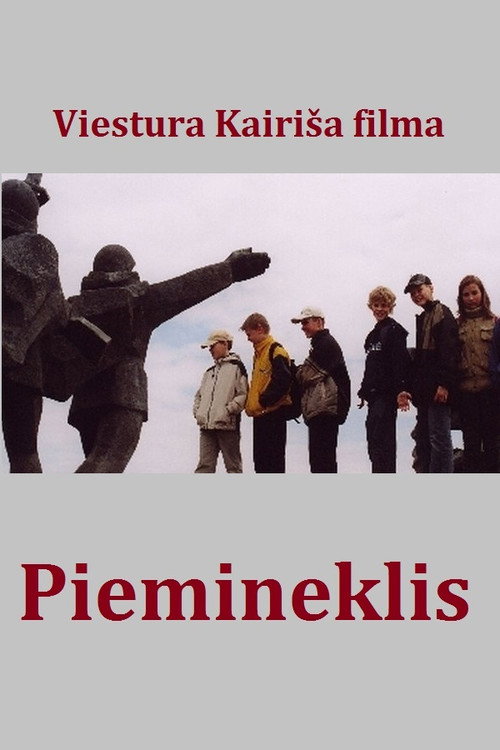
The Monument 2004
Viesturs Kairišs' compelling 26-minute documentary *The Monument (2004)* dives into the turbulent history of Riga's towering Soviet WWII memorial, exploring how its meaning has shifted in Latvia's post-Soviet identity.
Director: Viesturs Kairišs
Frequently Asked Questions
What is The Monument (2004) about?
*The Monument (2004)* examines Riga's Soviet WWII memorial through the lens of post-Soviet Latvia, questioning whose victory it truly represents. The documentary contrasts Soviet propaganda with Latvian perspectives, revealing how the monument became a symbol of contested history rather than triumph. It's a story of memory, politics, and the weight of the past on a nation's present.
Who directed The Monument?
The film was directed by Viesturs Kairišs, a Latvian filmmaker known for his evocative documentaries exploring historical and cultural themes.
Who stars in The Monument?
The documentary features interviews with historians, local residents, and cultural commentators, though the main cast is not publicly listed.
Is The Monument (2004) worth watching?
As a concise 26-minute documentary, *The Monument (2004)* is a sharp, thought-provoking watch for anyone interested in Eastern European history or the politics of memory. While unrated on IMDb, its thematic depth and Kairišs' distinctive approach make it a standout in the genre.
How long is The Monument?
The film runs for 26 minutes.
The Monument: Unpacking Latvia's Soviet Legacy — Full 2004 Documentary Info
Viesturs Kairišs' compelling 26-minute documentary *The Monument (2004)* dives into the turbulent history of Riga's towering Soviet WWII memorial, exploring how its meaning has shifted in Latvia's post-Soviet identity. The film centers on the so-called "Victory Monument," originally built by the Soviets to symbolize liberation from Nazi Germany—yet for many Latvians, this victory marked the start of another oppressive era under Soviet rule. Through evocative visuals and thoughtful interviews, Kairišs examines the monument as both a physical landmark and a battleground of collective memory, where politics, identity, and history collide.
*The Monument (2004)* captures the tension between official narratives and personal recollections, revealing how a single structure can embody conflicting stories. The documentary's stark black-and-white cinematography and quiet, reflective tone draw viewers into a dialogue about freedom, occupation, and the complexities of national memory. It's a short but powerful meditation on how landmarks shape—and are shaped by—history, and why their stories refuse to stay buried.