Muž, žena, Žoržík a klíč 1965
Set in the 1960s, Muž, žena, Žoržík a klíč (1965) is a Czech comedy film that showcases the directorial skills of Antonín Moskalyk. The movie features a talented ensemble cast, including Jiřina Bohdalová, Jiří Sovák, and Vladimír Menšík.
Director: Antonín Moskalyk
Cast

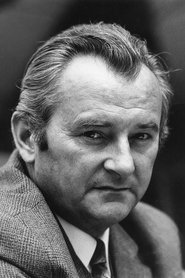
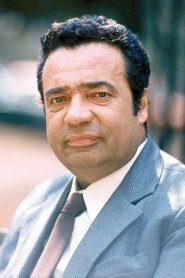
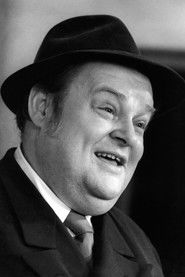
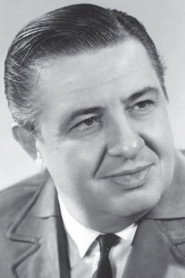
Frequently Asked Questions
What is Muž, žena, Žoržík a klíč (1965) about?
This Czech comedy film explores the complexities of human relationships through the lives of ordinary people in the 1960s.
Who directed Muž, žena, Žoržík a klíč?
The film was directed by Antonín Moskalyk, a master of comedy and drama.
Who stars in Muž, žena, Žoržík a klíč?
The movie features a talented ensemble cast, including Jiřina Bohdalová, Jiří Sovák, and Vladimír Menšík.
Is Muž, žena, Žoržík a klíč (1965) worth watching?
While the IMDb rating is unavailable, this film's exploration of human relationships and its use of humor make it a compelling watch for fans of comedy and drama.
How long is Muž, žena, Žoržík a klíč?
Runtime details are not listed.
About Muž, žena, Žoržík a klíč (1965) — A comedy of relationships that will leave you smiling
Set in the 1960s, Muž, žena, Žoržík a klíč (1965) is a Czech comedy film that showcases the directorial skills of Antonín Moskalyk. The movie features a talented ensemble cast, including Jiřina Bohdalová, Jiří Sovák, and Vladimír Menšík. With a focus on the relationships between men and women, this film explores the complexities of human interactions with a light-hearted and humorous touch. The director's ability to balance witty dialogue with poignant moments makes this a captivating watch. As the story unfolds, the audience is treated to a glimpse into the lives of ordinary people, making this film a relatable and entertaining experience.
In this charming comedy, Moskalyk brings together a talented cast to create a film that is both entertaining and thought-provoking. With its focus on the human condition, Muž, žena, Žoržík a klíč (1965) is a must-watch for fans of comedy and drama alike. The film's exploration of relationships and its use of humor make it a standout in the world of 1960s cinema.