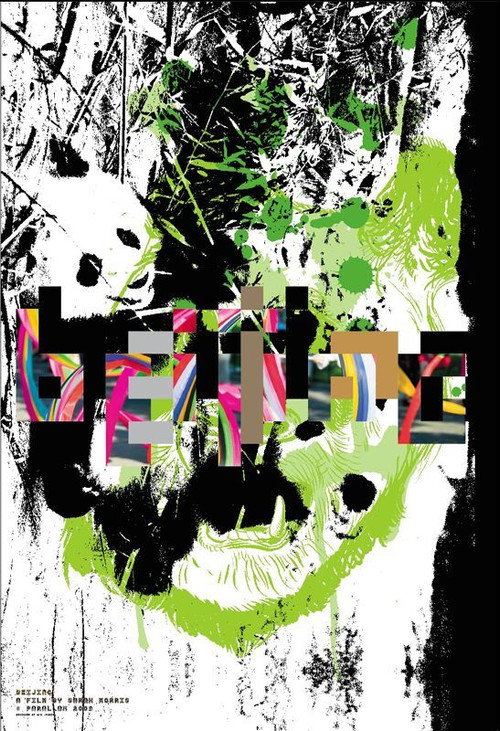
Beijing 2009
Sarah Morris's 2009 documentary *Beijing* offers a sharp, cinematic dissection of the 2008 Olympic Games, transforming the spectacle into a window into China's complex identity.
Director: Sarah Morris
Frequently Asked Questions
What is Beijing (2009) about?
Director Sarah Morris turns the 2008 Beijing Olympics into a lens for examining China's economic and political contradictions. The film strips away the glamour of the Games to explore how global perception clashes with local realities, all framed through a cinematic, almost hypnotic gaze.
Who directed Beijing?
Beijing was directed by Sarah Morris, a filmmaker known for her visually striking explorations of power and culture in urban environments.
Who stars in Beijing?
Cast details for Beijing are not publicly listed.
Is Beijing (2009) worth watching?
While it's unrated on IMDb, *Beijing* stands out for its artistic approach to a historic event. Fans of documentary films that blend aesthetics with social commentary will find Morris's work compelling, though its niche focus may not appeal to all viewers.
How long is Beijing?
Beijing runs for 85 minutes, a tight runtime that keeps its dense themes engaging without overwhelming.
About Beijing (2009) — A Stylish Documentary on the 2008 Olympics and China's Duality
Sarah Morris's 2009 documentary *Beijing* offers a sharp, cinematic dissection of the 2008 Olympic Games, transforming the spectacle into a window into China's complex identity. Shot in rich 35mm, the film captures the tension between global ambition and local contradictions, painting a portrait of a city—and a nation—caught between tradition and transformation. Morris's lens lingers on the uncanny contrasts of Beijing, where the gleaming veneer of modernity clashes with lingering shadows of control, creating an atmosphere that's as mesmerizing as it is unsettling.
More than a sports chronicle, *Beijing* becomes a meditation on power, perception, and the theatrics of international influence. The Olympics here are less about athletic feats and more about the narratives we're sold, revealing how even the most dazzling events can reveal deeper truths about authority and economics. It's a film for viewers who crave insight over spectacle, blending artistry with political nuance in a way that lingers long after the closing ceremony.