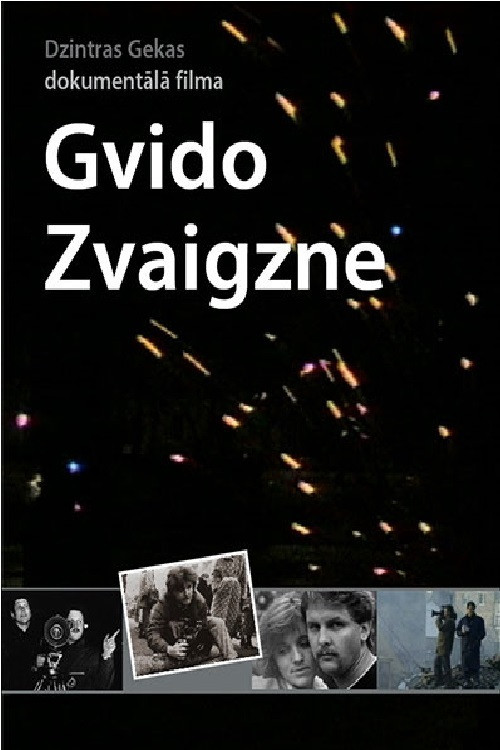
Gvido Zvaigzne 2011
Gvido Zvaigzne (2011) is a deeply moving documentary that sheds light on a pivotal moment in Latvian history and the life of a young, promising filmmaker whose talent was cut short by tragedy.
Director: Dzintra Geka-Vaska
Frequently Asked Questions
What is Gvido Zvaigzne (2011) about?
This documentary revisits the tragic events of January 1991 in Latvia, when cameraman Gvido Zvaigzne was fatally injured during clashes tied to the country's fight for independence. The film intertwines his personal story with the broader struggle of a generation, highlighting both individual sacrifice and the unresolved questions of a young creative mind.
Who directed Gvido Zvaigzne?
The film was directed by Dzintra Geka-Vaska, who crafts a narrative that blends personal grief with historical reflection.
Who stars in Gvido Zvaigzne?
While the full cast isn't listed, the documentary centers on the life and legacy of Gvido Zvaigzne, whose story is the emotional core of the film.
Is Gvido Zvaigzne (2011) worth watching?
As a concise historical documentary, Gvido Zvaigzne (2011) offers a powerful glimpse into Latvia's past and the human cost of resistance. Its themes of unfulfilled potential and collective memory make it a compelling watch for history and documentary enthusiasts, even if it lacks mainstream appeal.
How long is Gvido Zvaigzne?
The film runs for 42 minutes.
About Gvido Zvaigzne (2011) — Latvia's untold story of art, tragedy, and resistance
Gvido Zvaigzne (2011) is a deeply moving documentary that sheds light on a pivotal moment in Latvian history and the life of a young, promising filmmaker whose talent was cut short by tragedy. Directed by Dzintra Geka-Vaska, this 42-minute film explores the events of January 1991, when Latvia mourned the loss of cameraman Gvido Zvaigzne, who succumbed to injuries sustained during the violent clashes that marked the country's struggle for independence. The documentary doesn't just recount his personal story—it weaves it into the broader narrative of a generation grappling with oppression and the unfulfilled promise of creativity. With a somber yet reflective tone, Geka-Vaska crafts a tribute that lingers on the fragility of youth and the heavy cost of resistance.
Beyond its historical significance, Gvido Zvaigzne (2011) serves as a poignant reflection on the lives interrupted by political strife, where art and activism intersect in the most harrowing ways. The film's atmosphere is one of quiet intensity, balancing personal grief with the weight of national memory. While the full cast isn't widely documented, the documentary stands as a tribute to Gvido's legacy and the enduring impact of his work on Latvia's cultural landscape.