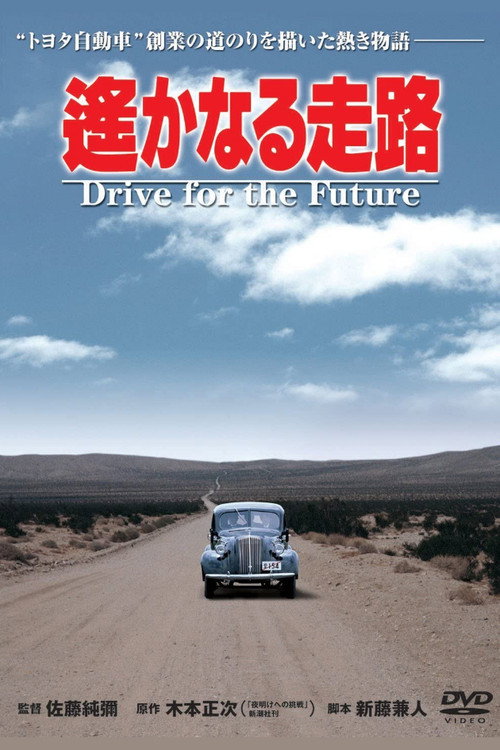
Drive for the Future 1980
Set in a tumultuous era, Drive for the Future (1980) delves into the complexities of human relationships amidst a backdrop of historical change.
Director: Junya Satō
Cast










Frequently Asked Questions
What is Drive for the Future (1980) about?
This movie delves into the complexities of human relationships amidst a backdrop of historical change, exploring the intricacies of the human condition.
Who directed Drive for the Future?
The film was directed by Junya Satō.
Who stars in Drive for the Future?
The main cast includes Matsumoto Hakuō II, Masakane Yonekura, and Takahiro Tamura.
Is Drive for the Future (1980) worth watching?
While the movie's IMDb rating is unrated, its poignant exploration of human relationships and historical themes make it a compelling watch for fans of drama and history films.
How long is Drive for the Future?
The movie has a runtime of 134 minutes.
About Drive for the Future (1980) — A Gripping Drama of Self-Discovery
Set in a tumultuous era, Drive for the Future (1980) delves into the complexities of human relationships amidst a backdrop of historical change. Director Junya Satō masterfully weaves a narrative that explores the intricacies of the human condition, as embodied by a talented ensemble cast, including Matsumoto Hakuō II, Masakane Yonekura, and Takahiro Tamura. This poignant drama, categorized under the History genre, invites viewers to immerse themselves in a world of transformation and self-discovery.
As the story unfolds, the audience is treated to a rich tapestry of emotions, driven by the exceptional performances of the cast. With a runtime of 134 minutes, Drive for the Future (1980) is an immersive experience that will leave viewers contemplating the significance of the past and its impact on the present.
Through its gripping narrative and thought-provoking themes, Drive for the Future (1980) has become a standout in the world of drama and history films. With its captivating storyline and memorable characters, this movie is sure to resonate with audiences seeking a deeper understanding of the human experience.