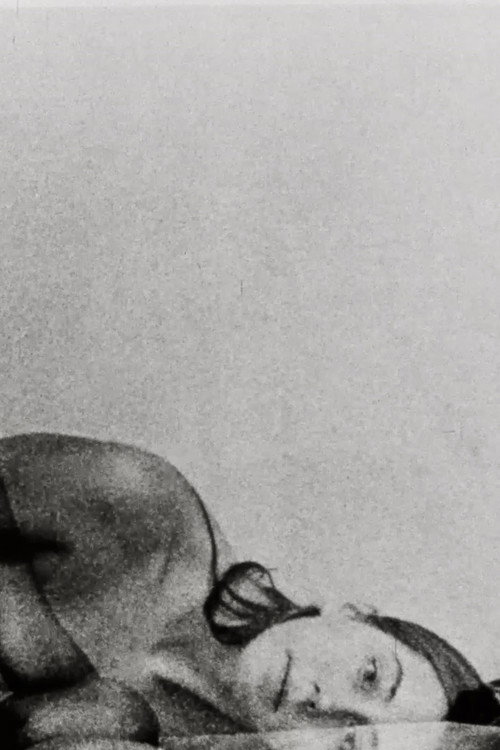
Self Portrait of a Nude Model Turned Cinematographer 1971
Sharon Green's 1971 avant-garde short film *Self Portrait of a Nude Model Turned Cinematographer* merges raw autobiography with radical cinefeminism, capturing the artist's body through a collage of still photographs and intimate, subjective moving imagery.
Director: Sharon Green
Frequently Asked Questions
What is Self Portrait of a Nude Model Turned Cinematographer (1971) about?
This evocative short film explores identity and artistic self-representation through a collage of still images and poetic moving shots of the filmmaker's body. It's a personal and political statement on seeing oneself—and being seen—within the male-dominated realms of experimental cinema.
Who directed Self Portrait of a Nude Model Turned Cinematographer?
The film was directed by Sharon Green, an artist whose work bridges autobiographical storytelling with the feminist avant-garde movement of the 1970s.
Who stars in Self Portrait of a Nude Model Turned Cinematographer?
Director Sharon Green appears as the central figure in this intimate exploration of identity and artistry.
Is Self Portrait of a Nude Model Turned Cinematographer (1971) worth watching?
With its bold blend of personal narrative and experimental technique, this four-minute film offers a fascinating glimpse into early cinefeminism. While niche, it rewards viewers interested in the intersection of autobiography and avant-garde filmmaking, even if it's been historically overlooked.
How long is Self Portrait of a Nude Model Turned Cinematographer?
The film runs for 4 minutes.
About Self Portrait of a Nude Model Turned Cinematographer (1971) — The Radical Femme Film That Redefined the Avant-Garde
Sharon Green's 1971 avant-garde short film *Self Portrait of a Nude Model Turned Cinematographer* merges raw autobiography with radical cinefeminism, capturing the artist's body through a collage of still photographs and intimate, subjective moving imagery. More than just a visual experiment, the film challenges traditional cinematic gazes by placing the female perspective at its core, disrupting the male-dominated avant-garde traditions of the era—particularly echoes of artists like Stan Brakhage, for whom Green once modeled. This four-minute meditation on identity, artistry, and self-representation remains a quietly provocative artifact of early feminist cinema, often dismissed too quickly as derivative rather than revolutionary for its time.
Though overlooked in broader film histories, *Self Portrait of a Nude Model Turned Cinematographer* stands as a bold statement on the intersection of art and autobiography. Green's unflinching lens transforms the frame into a space of agency, weaving personal narrative with experimental technique to create a work that feels both timeless and distinctly of its moment. Its power lies not in spectacle, but in the quiet defiance of redefining what it means to be seen—and to see oneself—behind the camera.