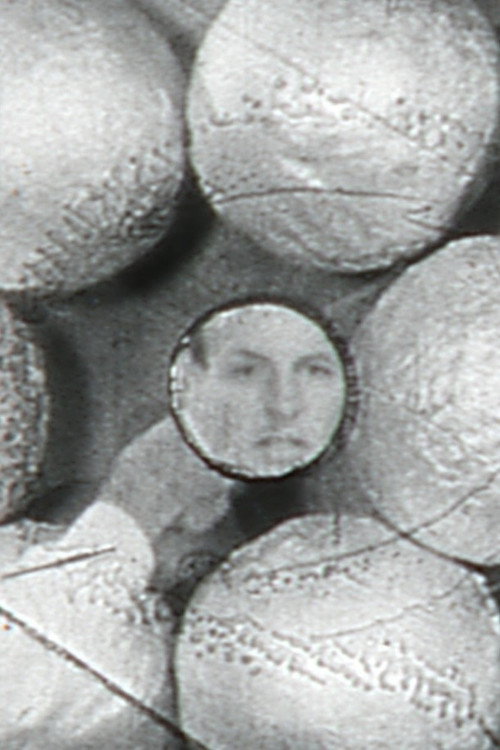
After Dinner Science 1978
Step into the intriguing world of 1978 experimental cinema with 'After Dinner Science', a concise yet thought-provoking short film crafted by visionary director Esther Shatavsky.
Director: Esther Shatavsky
Frequently Asked Questions
What is After Dinner Science (1978) about?
This experimental short film by Esther Shatavsky explores the intersection of everyday life and abstract thought, transforming a simple scenario into a visually compelling study. The film's brevity belies its depth, leaving viewers to interpret its meaning based on subtle visual cues and atmospheric storytelling.
Who directed After Dinner Science?
After Dinner Science was directed by Esther Shatavsky, a filmmaker known for her experimental and avant-garde approach to cinema.
Who stars in After Dinner Science?
Cast details for After Dinner Science are not listed, as the film is a short experimental work focused on visual storytelling rather than traditional performances.
Is After Dinner Science (1978) worth watching?
While concise, this experimental film offers a unique viewing experience for fans of avant-garde cinema. Its abstract nature and thematic depth make it intriguing, though its brevity may not appeal to those seeking conventional narratives. As an unrated short, it's best approached with an open mind.
How long is After Dinner Science?
After Dinner Science has a runtime of 2 minutes.
About After Dinner Science (1978) — A Two-Minute Experimental Masterpiece by Esther Shatavsky
Step into the intriguing world of 1978 experimental cinema with 'After Dinner Science', a concise yet thought-provoking short film crafted by visionary director Esther Shatavsky. This two-minute cinematic piece defies traditional storytelling, offering a mesmerizing snapshot that blends abstract visuals with subtle thematic depth. Drawing inspiration from everyday moments, Shatavsky transforms the mundane into something extraordinary, inviting audiences to ponder the hidden layers within the ordinary. The film's minimalist approach creates an atmospheric experience, where every frame feels deliberate and evocative.
Though brief, 'After Dinner Science' demonstrates the power of concise filmmaking. Director Esther Shatavsky, known for her innovative and experimental style, crafts a piece that lingers in the mind long after the credits roll. While details about the cast and genre remain scarce, the film's abstract nature and thematic richness make it a standout example of avant-garde cinema. Its mysterious allure lies in what it leaves unsaid, inviting viewers to interpret its meaning based on their own perspectives.