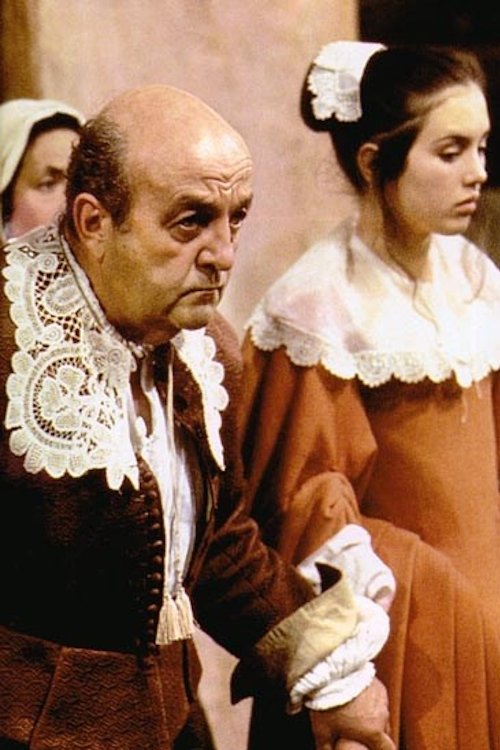
L'École des femmes 1973
Raymond Rouleau's 1973 adaptation of Molière's classic comedy-drama transforms the timeless tale of manipulation and unexpected love into a visually rich, emotionally layered film.
Director: Raymond Rouleau
Cast





Frequently Asked Questions
What is L'École des femmes (1973) about?
The film follows Arnolphe, a manipulative man who raises Agnès in seclusion, believing her innocence will make her the perfect wife. When Horace, a young man, reveals his feelings for Agnès, Arnolphe's plans crumble under the weight of his own deception.
Who directed L'École des femmes?
The film was directed by Raymond Rouleau, a French actor and filmmaker known for his work in both cinema and theater.
Who stars in L'École des femmes?
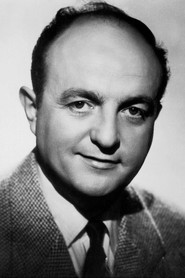
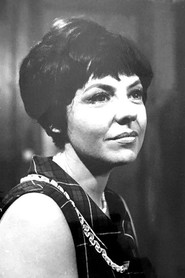
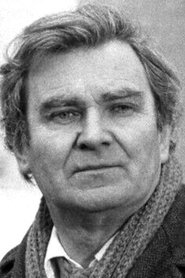
The cast features Bernard Blier as Arnolphe, Isabelle Adjani in a pivotal role, alongside Robert Rimbaud, Micheline Luccioni, and Marc Eyraud.
Is L'École des femmes (1973) worth watching?
This adaptation of Molière's comedy-drama stands out for its thoughtful performances and stylish direction. While it may not be as widely known as other period pieces, its themes of control and unexpected romance make it a rewarding watch for fans of classic storytelling.
How long is L'École des femmes?
The runtime for *L'École des femmes (1973)* is 101 minutes.
About L'École des femmes (1973) — A 17th-Century Love Triangle That Outsmarts the Schemer
Raymond Rouleau's 1973 adaptation of Molière's classic comedy-drama transforms the timeless tale of manipulation and unexpected love into a visually rich, emotionally layered film. Set in 17th-century France, the story follows Arnolphe—a cunning older man who raises the sheltered Agnès in isolation, convinced her naivety will guarantee a docile wife. His carefully laid plans begin to unravel when the charming Horace enters the scene, declaring his affection for the young woman. As secrets and emotions collide, the film explores themes of freedom, control, and the unpredictability of the heart, all wrapped in a sumptuous period aesthetic.
With its sharp dialogue, nuanced performances, and a delicate balance between wit and melancholy, *L'École des femmes (1973)* offers a fresh take on a theatrical masterpiece. Isabelle Adjani delivers an early-career performance that hints at the star power to come, while Bernard Blier lends gravitas to the calculating Arnolphe. The film's blend of social satire and romantic tension creates an atmosphere that lingers long after the credits roll.