Canfield Drive 2016
Canfield Drive (2016) is a gripping dramatization inspired by real events that unfolded during one of America's most pivotal moments in recent history.
Director: Cara Lawson
Cast
Frequently Asked Questions
What is Canfield Drive (2016) about?
Canfield Drive follows the intense 48-hour period when Missouri Highway Patrol Captain Ron Johnson takes charge of Ferguson law enforcement during the protests following Michael Brown's death, exploring the challenges of leadership amid civil unrest.
Who directed Canfield Drive?
The film was directed by Cara Lawson, who brings a focused lens to this significant chapter in recent American history.
Who stars in Canfield Drive?
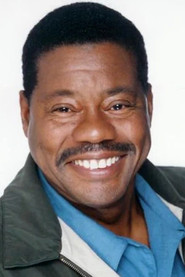
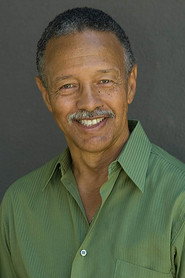
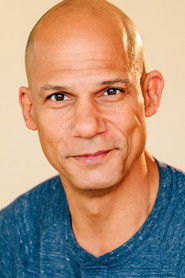
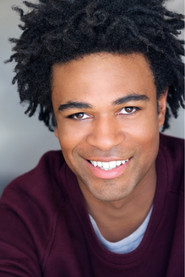
The cast features James Geralden, Lyla Masterson, Michael Agresta, Jean Glaudé, and Christopher Robert Gray in key roles portraying the individuals involved in the Ferguson crisis.
Is Canfield Drive (2016) worth watching?
With its unrated status and powerful subject matter, Canfield Drive offers compelling drama grounded in real events. The film's exploration of social justice themes and leadership under pressure makes it a meaningful viewing experience for those interested in contemporary historical dramas.
How long is Canfield Drive?
Runtime details are not listed.
About Canfield Drive (2016) — Behind the Ferguson Crisis Narrative
Canfield Drive (2016) is a gripping dramatization inspired by real events that unfolded during one of America's most pivotal moments in recent history. Directed by Cara Lawson, this intense film chronicles the critical 48-hour period when Missouri Highway Patrol Captain Ron Johnson assumed command of Ferguson law enforcement amid the heated protests following Michael Brown's tragic death. The narrative captures the raw emotion, tension, and social unrest that gripped a community, presenting a humanizing portrait of leadership during crisis.
Featuring powerful performances from James Geralden, Lyla Masterson, and Michael Agresta, the film explores themes of justice, community relations, and the weight of responsibility in positions of authority. The atmosphere remains charged throughout, reflecting the gravity of events that would spark nationwide conversations about policing and civil rights. Jean Glaudé and Christopher Robert Gray round out a compelling ensemble that brings authenticity to this important historical moment.
This dramatic account serves as both documentation and artistic interpretation of events that shaped modern discourse on police-community relations, offering viewers insight into the complexities faced by those tasked with maintaining order during times of social upheaval.