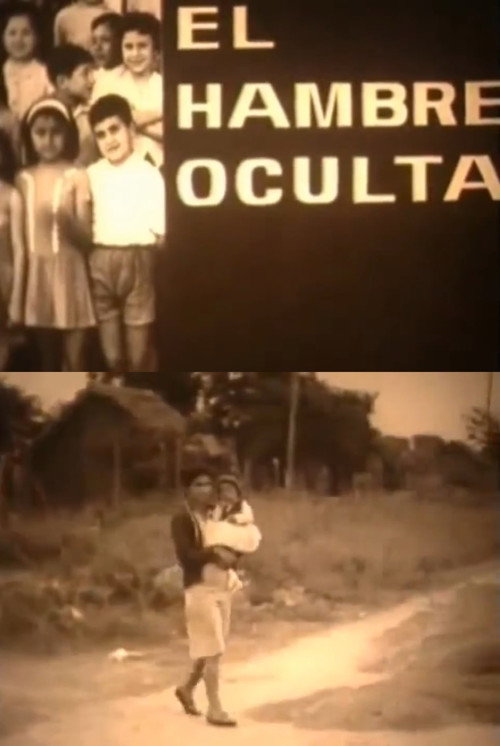
El hambre oculta 1965
El hambre oculta (1965) is a compelling short documentary that sheds light on the persistent issue of hidden hunger in society. This 12-minute film produced at UNL captures the stark reality of food scarcity through intimate storytelling and authentic footage.
Director: Dolly Pussi
Cast
Frequently Asked Questions
What is El hambre oculta (1965) about?
This short documentary examines the overlooked issue of hidden hunger, focusing on communities struggling with nutritional scarcity and food insecurity. Through observational storytelling, it reveals the social dimensions of hunger that often go unnoticed in mainstream discourse.
Who directed El hambre oculta?
The documentary was directed by Dolly Pussi, whose work on this UNL production brings attention to important social issues through documentary filmmaking.
Who stars in El hambre oculta?
The film features Sergio Bolomonoff in a principal role, anchoring this exploration of hunger and social inequality.
Is El hambre oculta (1965) worth watching?
At just 12 minutes, this documentary delivers meaningful insights into a timeless social issue. Its concise format and thoughtful approach make it worthwhile for viewers interested in social justice themes or 1960s documentary cinema.
How long is El hambre oculta?
The runtime is 12 minutes, making it a brief but impactful viewing experience.
About El hambre oculta (1965) — A short documentary exploring hidden hunger and social inequality
El hambre oculta (1965) is a compelling short documentary that sheds light on the persistent issue of hidden hunger in society. This 12-minute film produced at UNL captures the stark reality of food scarcity through intimate storytelling and authentic footage. The documentary explores the silent struggle of communities facing nutritional deprivation, presenting a raw examination of social inequality and human resilience.
Directed by Dolly Pussi, the film features Sergio Bolomonoff in a key role as it delves into the overlooked crisis of malnutrition. The atmosphere is both sobering and enlightening, using observational techniques typical of 1960s documentary filmmaking. Themes of poverty, access to resources, and human dignity permeate this concise yet powerful narrative. The short format makes it an impactful viewing experience that lingers long after the credits roll.
Despite its brief runtime, El hambre oculta (1965) delivers profound insights into a universal human concern. The documentary's educational value remains significant for audiences interested in social justice cinema and historical perspectives on hunger. Its concise storytelling approach demonstrates how important messages can be effectively conveyed in minimal time.