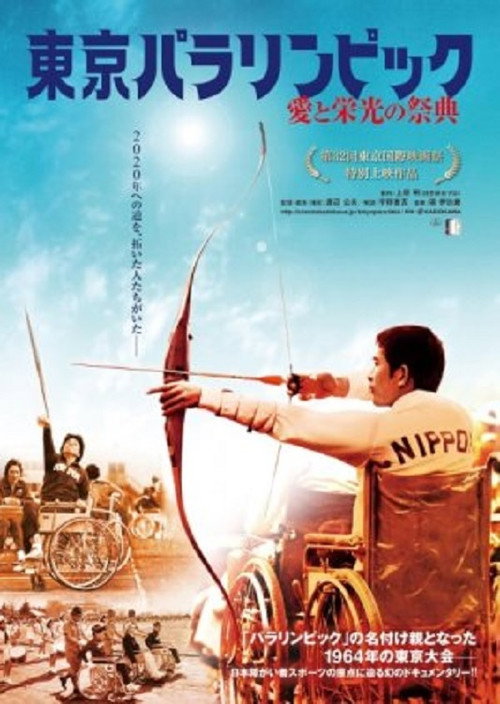
Tokyo Paralympics: Festival of Love and Glory 1965
Step back in time to 1964 Tokyo and witness the groundbreaking spirit of the Paralympics through Kimio Watanabe's Tokyo Paralympics: Festival of Love and Glory (1965).
Director: Kimio Watanabe
Cast

Frequently Asked Questions
What is Tokyo Paralympics: Festival of Love and Glory (1965) about?
This 1965 documentary captures the Tokyo Paralympics of 1964, showcasing the incredible athletes who competed despite physical challenges. It's a celebration of human determination, athletic spirit, and a turning point in the inclusion of athletes with disabilities in global sports.
Who directed Tokyo Paralympics: Festival of Love and Glory?
Tokyo Paralympics: Festival of Love and Glory was directed by Kimio Watanabe, a filmmaker who brought a unique perspective to the historic event through his lens.
Who stars in Tokyo Paralympics: Festival of Love and Glory?
The film prominently features Jūkichi Uno among its cast, highlighting his role in capturing the Paralympic Games' atmosphere and the athletes' journeys.
Is Tokyo Paralympics: Festival of Love and Glory (1965) worth watching?
While unrated on IMDb, the film's historical significance and emotional depth make it a compelling watch for sports enthusiasts and documentary lovers. Its focus on resilience and early Paralympic achievements adds lasting value for audiences interested in social and athletic history.
How long is Tokyo Paralympics: Festival of Love and Glory?
Tokyo Paralympics: Festival of Love and Glory has a runtime of 63 minutes, offering a concise yet impactful viewing experience.
🎥 Trailer
About Tokyo Paralympics: Festival of Love and Glory (1965) — The untold story behind Tokyo's historic Paralympic Games
Step back in time to 1964 Tokyo and witness the groundbreaking spirit of the Paralympics through Kimio Watanabe's Tokyo Paralympics: Festival of Love and Glory (1965). This absorbing documentary captures a pivotal moment in sports history, spotlighting the courageous athletes who redefined athletic excellence against the odds. Set against the backdrop of a city rising from post-war transformation, the film radiates a sense of hope and human resilience, blending athletic triumph with quiet dignity. Through intimate footage and emotional storytelling, Watanabe offers a rare window into a festival where love for sport eclipsed physical limitations, turning competition into celebration.
More than just a sporting record, Tokyo Paralympics: Festival of Love and Glory (1965) is a testament to the unyielding spirit of its participants. With a runtime of just over an hour, the film feels both intimate and expansive, inviting viewers to connect with stories of perseverance and ambition. It's a tribute to an event that didn't just redefine what it means to compete—it redefined what it means to inspire.