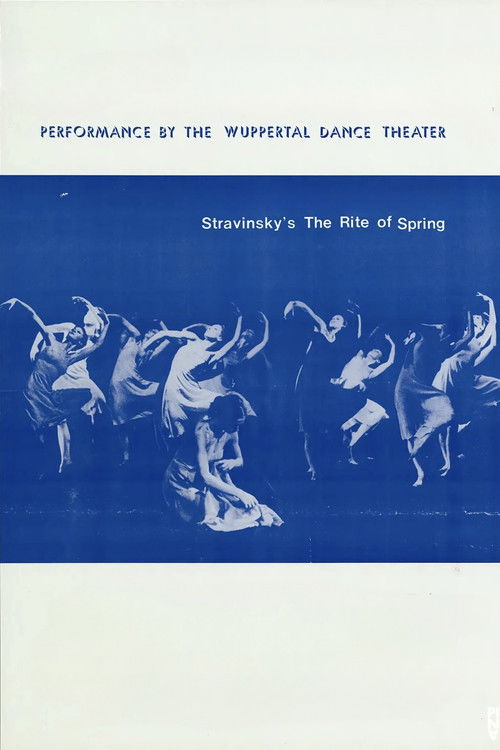
The Rite of Spring 1978
"Someone has to make a sacrifice. But which woman?"
Immerse yourself in the raw power of early Pina Bausch's choreographic genius with *The Rite of Spring (1978)*, a 36-minute documentary that pushes dance to its emotional and physical extremes.
Director: Pina Bausch
Frequently Asked Questions
What is The Rite of Spring (1978) about?
This documentary captures Pina Bausch's radical reimagining of Stravinsky's *The Rite of Spring*, where dancers perform a harrowing, endurance-driven ritual. The work explores sacrifice, physical pain, and the raw energy of creation, stripping ballet to its most primal form.
Who directed The Rite of Spring?
Pina Bausch, the legendary German choreographer and dancer, directed this iconic work.
Who stars in The Rite of Spring?
The film features Pina Bausch's Tanztheater Wuppertal ensemble, though specific cast names are not listed in available records.
Is The Rite of Spring (1978) worth watching?
If you appreciate avant-garde dance as a form of unfiltered artistry, *The Rite of Spring* is essential viewing. Its 36-minute runtime packs a visceral punch, offering a rare glimpse into Bausch's groundbreaking early work. The film's intensity and emotional rawness make it a standout in the documentary and dance genres.
How long is The Rite of Spring?
The Rite of Spring (1978) runs for 36 minutes.
About The Rite of Spring (1978) — A Brutal, Essential Dance Masterpiece by Pina Bausch
Immerse yourself in the raw power of early Pina Bausch's choreographic genius with *The Rite of Spring (1978)*, a 36-minute documentary that pushes dance to its emotional and physical extremes. Shot in stark black-and-white, this visceral performance captures dancers writhing in visceral, almost painful motion—bodies slick with sweat and streaked with the grime of the earth itself. Bausch's avant-garde vision transforms Stravinsky's iconic score into a haunting ritual where sacrifice looms not as myth but as an inescapable, visceral truth. The atmosphere is feverish, the movement relentless, as the dancers hurtle toward exhaustion, their flesh and spirit merging with the raw, primal energy of the composition.
A landmark in 20th-century modern dance, *The Rite of Spring (1978)* is less a performance than a visceral experience—an unflinching document of art pushing humanity to its breaking point. Bausch's choreography strips the ballet to its barest elements, where every twitch, fall, and recovery becomes a desperate plea for survival. The film's stark visuals amplify the work's emotional weight, making it a must-see for anyone drawn to dance as a language of raw truth rather than mere aesthetics.