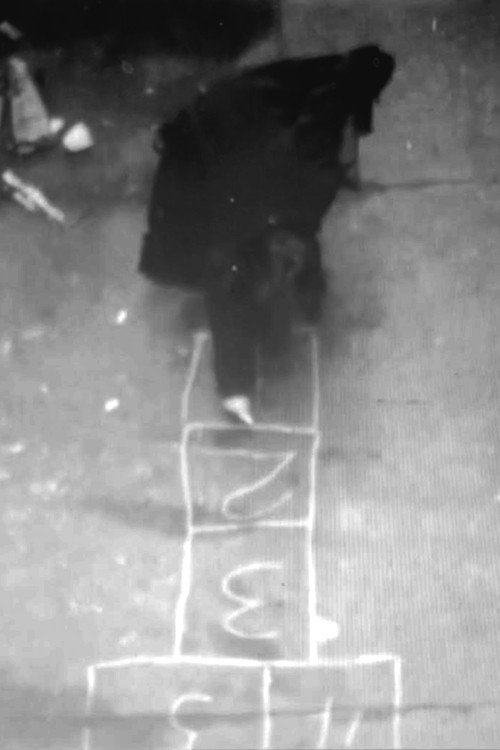
Hopscotch 1967
Hopscotch (1967) is a 10-minute experimental short film by Japanese director Kenji Kanesaka, originally presented as a live performance at the Sogetsu Art Center.
Director: Kenji Kanesaka
Frequently Asked Questions
What is Hopscotch (1967) about?
Hopscotch is a short experimental film that merges music, visual art, and performance into a single, spontaneous event. Director Kenji Kanesaka invited a group of avant-garde artists to interpret the Japanese verb *hiku*—meaning to play, draw, or draw in mahjong—through improvisation, creating a one-of-a-kind cinematic experience.
Who directed Hopscotch?
Hopscotch was directed by Kenji Kanesaka, a filmmaker known for pushing boundaries in experimental cinema during the 1960s.
Who stars in Hopscotch?
The film featured key contributions from Yasunao Tone (composer), Yosuke Yamashita (jazz pianist), Jiro Takamatsu (artist), Nobuhiko Obayashi (filmmaker), and film critic Shigechika Sato.
Is Hopscotch (1967) worth watching?
While Hopscotch is a niche experimental short, its historical significance and the caliber of participating artists make it intriguing for fans of avant-garde cinema. Its 10-minute runtime is concise, but the film's unique approach to collaboration and interpretation offers a rewarding experience for those interested in 1960s art movements.
How long is Hopscotch?
Hopscotch runs for 10 minutes.
About Hopscotch (1967) — A 10-Minute Avant-Garde Experiment Capturing Sound and Art
Hopscotch (1967) is a 10-minute experimental short film by Japanese director Kenji Kanesaka, originally presented as a live performance at the Sogetsu Art Center. Created as both a cinematic and auditory event, the film blurred the lines between music, art, and filmmaking, inviting avant-garde creators to reinterpret its core concept. Performers like composer Yasunao Tone, jazz pianist Yosuke Yamashita, and artist Jiro Takamatsu gathered to explore the Japanese verb *hiku*—a word rich with meaning, from playing instruments to drawing in mahjong—transforming it into a spontaneous, multidisciplinary experience.
The atmosphere was electric: a fusion of sound, visual art, and improvisation where structure met unpredictability. Kanesaka's vision challenged traditional filmmaking, turning a simple game into a metaphor for creative freedom. Hopscotch (1967) remains a fascinating footnote in 1960s avant-garde cinema, a snapshot of an era when artists pushed boundaries together.