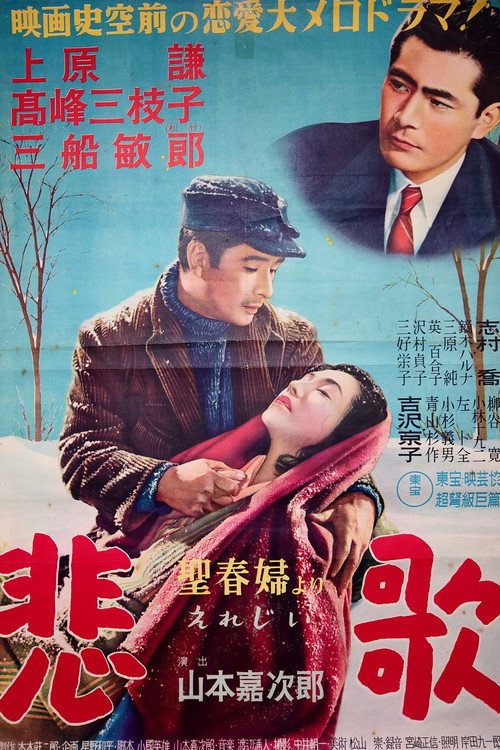
Elegy 1951
In Kajirō Yamamoto's *Elegy (1951)*, a young composer named Wataru Naohiko, born into privilege as the son of a prosecutor general, crafts symphonies that captivate the world. His music, embodied in the haunting piece "Saint," seems to echo the deepest human longings.
Director: Kajirō Yamamoto
Cast

Frequently Asked Questions
What is *Elegy (1951)* about?
*Elegy* follows Wataru Naohiko, a young composer whose music earns widespread acclaim, yet he faces harsh criticism for lacking emotional depth. The film delves into the struggle between artistic vision and external validation, as Naohiko's closest allies question the sincerity behind his work.
Who directed *Elegy*?
*Elegy* was directed by Kajirō Yamamoto, a prominent figure in Japanese cinema known for his work during the Golden Age of the 1950s.
Who stars in *Elegy*?
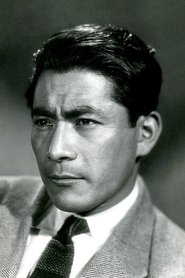
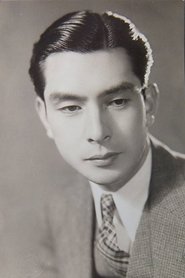
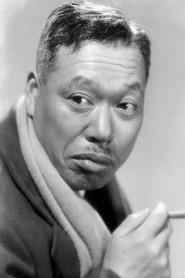
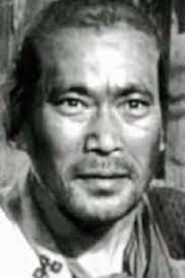
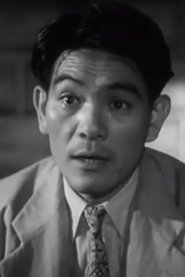
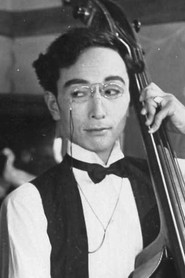
The film stars Toshirō Mifune, Ken Uehara, Mieko Takamine, Takashi Shimura, and Haruna Kaburagi in key roles.
Is *Elegy (1951)* worth watching?
*Elegy* may not be as widely recognized as some of its contemporaries, but it offers a rich, atmospheric experience for fans of classic dramas. Its themes of artistic integrity and societal pressure give it lasting relevance, even if its pacing leans toward contemplation rather than action.
How long is *Elegy*?
*Elegy* has a runtime of 110 minutes.
Elegy: The Haunting Ambition of Art in 1951 — Full Movie Info
In Kajirō Yamamoto's *Elegy (1951)*, a young composer named Wataru Naohiko, born into privilege as the son of a prosecutor general, crafts symphonies that captivate the world. His music, embodied in the haunting piece "Saint," seems to echo the deepest human longings. Yet his disciple Uchiyama and his closest friend, prosecutor Daisuke Toki, dismiss his work as a hollow exercise in technical precision, devoid of genuine emotional resonance. As Naohiko grapples with the tension between artistic ambition and perceived emptiness, the film explores themes of creativity, authenticity, and the price of societal expectations. Set against a backdrop of post-war Japan, *Elegy* blends melancholy and introspection, offering a poignant meditation on the soul of art.
With Toshirō Mifune delivering a standout performance as the conflicted protagonist, *Elegy (1951)* stands as a lesser-known gem in Japanese cinema. The film's atmospheric tension and philosophical undercurrents make it a compelling watch for fans of character-driven dramas and period pieces that challenge convention.