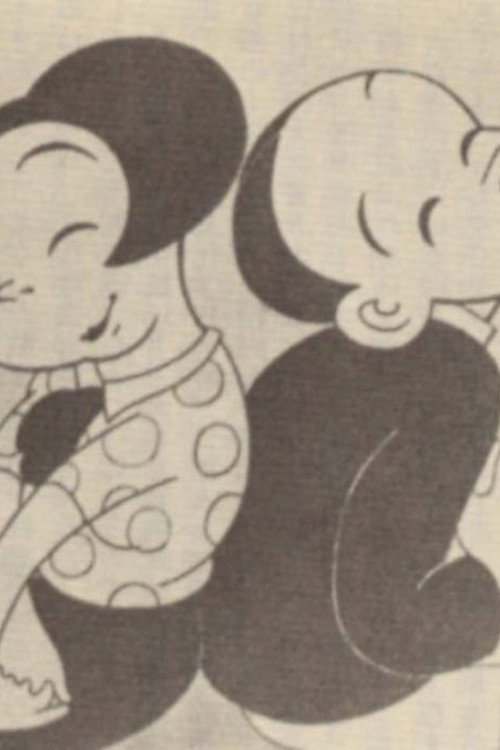
Chikara to Onna no Yo no Naka 1933
Dive into the fascinating world of early Japanese animation with *Chikara to Onna no Yo no Naka* (1933), a groundbreaking film directed by the visionary Kenzō Masaoka.
Director: Kenzō Masaoka
Frequently Asked Questions
What is Chikara to Onna no Yo no Naka (1933) about?
This 1933 Japanese animated film follows a dedicated family man whose unguarded sleep-talking exposes an affair with a coworker. The story delves into the personal and social consequences of his hidden actions, blending domestic drama with the era's cultural tensions.
Who directed Chikara to Onna no Yo no Naka?
The film was directed by Kenzō Masaoka, a pioneering figure in Japanese animation known for his innovative techniques that shaped the industry.
Who stars in Chikara to Onna no Yo no Naka?
The main cast details are not available, but historical records suggest this early animation featured voice actors who brought Masaoka's characters to life.
Is Chikara to Onna no Yo no Naka (1933) worth watching?
While this lost film is more of a historical curiosity than a modern entertainment piece, its significance in animation history makes it a fascinating watch for enthusiasts. Its themes and Masaoka's direction offer a unique window into early Japanese cinema.
How long is Chikara to Onna no Yo no Naka?
Runtime details are not listed.
About Chikara to Onna no Yo no Naka (1933) — The Early Voice-Acting Animation Classic
Dive into the fascinating world of early Japanese animation with *Chikara to Onna no Yo no Naka* (1933), a groundbreaking film directed by the visionary Kenzō Masaoka. This pioneering animated feature stands out as one of the first to incorporate voice acting, marking a significant milestone in cinema history. Set against the backdrop of a bustling 1930s era, the story follows a hardworking family man whose life takes an unexpected turn when his restless nocturnal confessions reveal a hidden affair with a coworker. The film masterfully blends domestic drama with the personal struggles of its protagonist, creating a compelling narrative that explores themes of guilt, secrecy, and the weight of family responsibilities.
Despite the passage of time, *Chikara to Onna no Yo no Naka* (1933) remains a captivating artifact of animation's golden age. Masaoka's innovative techniques and the film's raw emotional core offer a rare glimpse into the challenges of early Japanese animation. The atmosphere is tense yet intimate, drawing viewers into a story that feels both timeless and distinctly rooted in its era. While details about the cast remain scarce, the film's historical significance and narrative depth make it a must-study for animation enthusiasts and film historians alike.