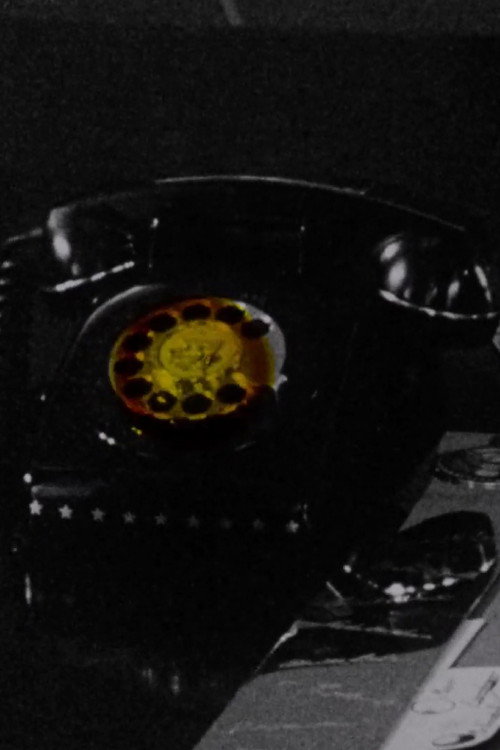
The Telephone Film 1972
Betty Ferguson's avant-garde short film *The Telephone Film* (1972) transforms an everyday object—the humble telephone receiver—into a mesmerizing subject of cinematic contemplation.
Director: Betty Ferguson
Frequently Asked Questions
What is The Telephone Film (1972) about?
This 1972 short film turns its gaze to the telephone receiver, using it as a lens to explore themes of communication, solitude, and the overlooked beauty in everyday objects. Through minimalist visuals and atmospheric storytelling, Betty Ferguson transforms the ordinary into something quietly profound.
Who directed The Telephone Film?
Betty Ferguson directed *The Telephone Film* (1972), bringing a keen eye for detail and a poetic sensibility to this avant-garde short.
Who stars in The Telephone Film?
Cast details for *The Telephone Film* (1972) are not available, as the film focuses more on objects and atmosphere than named performers.
Is The Telephone Film (1972) worth watching?
While its 14-minute runtime and experimental nature may not appeal to everyone, *The Telephone Film* offers a unique cinematic experience for those who appreciate minimalist storytelling and visual poetry. Its focus on an everyday object makes it a fascinating watch for fans of avant-garde cinema.
How long is The Telephone Film?
*The Telephone Film* (1972) runs for 14 minutes.
About The Telephone Film (1972) — Betty Ferguson's 14-Minute Poetic Masterpiece
Betty Ferguson's avant-garde short film *The Telephone Film* (1972) transforms an everyday object—the humble telephone receiver—into a mesmerizing subject of cinematic contemplation. Ferguson strips away the noise of complex narratives to focus on the phone's aesthetic and symbolic power, crafting a meditative experience that lingers like a dial tone. In just 14 minutes, the film invites viewers to reconsider the overlooked beauty in ordinary objects, blending minimalism with a quietly hypnotic visual style. The atmosphere is introspective and atmospheric, evoking a sense of nostalgia and technological intimacy that feels both timeless and distinctly 1970s.
Though compact in runtime, *The Telephone Film* packs a poetic punch, challenging audiences to find poetry in the mundane. Ferguson's direction leans into stark compositions and subtle movements, turning the telephone into a character of its own. Themes of communication, isolation, and connection emerge organically, making the film a compelling study in filmmaking that prioritizes mood and meaning over spectacle. For cinephiles and curious viewers alike, it's a brief but unforgettable exploration of how art can elevate the everyday.