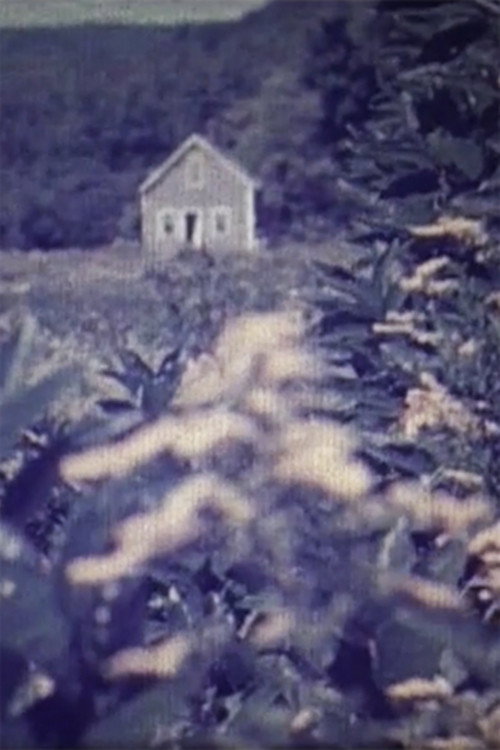
Homecall 1971
Homecall (1971) offers a deeply personal glimpse into mid-1940s family life through artist-director David Devensky's home-movie lens. What begins as nostalgic footage of relatives and everyday moments gradually unfolds into a reflective meditation on memory itself.
Director: David Devensky
Frequently Asked Questions
What is Homecall (1971) about?
Homecall (1971) presents a collage of mid-1940s family moments, looping intimate scenes to explore how memory distorts and preserves the past. It's less a straightforward documentary and more a visual poem about returning to childhood through fragmented, recurring images.
Who directed Homecall?
David Devensky directed Homecall (1971), blending personal archival footage with experimental filmmaking techniques to challenge conventional storytelling.
Who stars in Homecall?
Homecall (1971) features Devensky alongside family members and relatives, though specific names are not listed in production records.
Is Homecall (1971) worth watching?
While unrated and experimental, Homecall (1971) offers a unique, poetic take on home movies that may appeal to fans of avant-garde cinema or 1970s personal documentaries. Its brevity and conceptual approach make it more of a curiosity than a mainstream pick, but it rewards patient viewers.
How long is Homecall?
Homecall (1971) runs for 8 minutes.
About Homecall (1971) — A forgotten 1940s home movie reimagined as art
Homecall (1971) offers a deeply personal glimpse into mid-1940s family life through artist-director David Devensky's home-movie lens. What begins as nostalgic footage of relatives and everyday moments gradually unfolds into a reflective meditation on memory itself. Loops of specific gestures and actions invite viewers to reconsider ordinary scenes, revealing layers beneath the surface warmth. The film's tone shifts from affectionate familiarity to something subtly unsettling, leaving audiences to question what we remember—and why.
Crafted from Devensky's own archive, Homecall (1971) blends intimacy with introspection, capturing how personal history can feel both comforting and elusive. Its experimental structure turns private recollections into a shared experience, making the familiar feel strangely new. The result is a short but haunting portrait of time, connection, and the stories we choose to revisit.