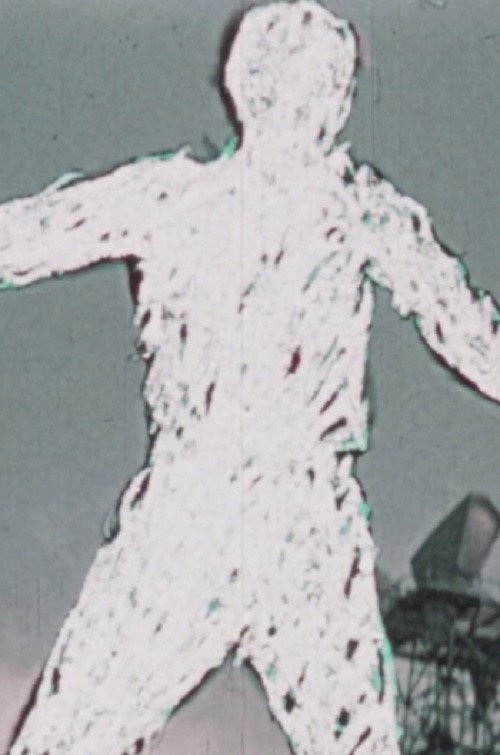
Daylight 1972
Daylight (1972) marks a fascinating transition in director Barry Spinello's career, blending experimental filmpainting with early live-action techniques to create a visually striking short film.
Director: Barry Spinello
Frequently Asked Questions
What is Daylight (1972) about?
Daylight is a reflective short film that blends experimental visual art with live-action storytelling, exploring themes of closure and transition. It begins with a philosophical statement on endings, unfolding as a poetic journey through light and movement.
Who directed Daylight?
Daylight was directed by Barry Spinello, a filmmaker known for his innovative approach that merges painting with cinematic techniques.
Who stars in Daylight?
Cast details for Daylight are not publicly listed.
Is Daylight (1972) worth watching?
As an experimental short with no IMDb rating, Daylight won't appeal to everyone, but it offers a unique historical snapshot for fans of avant-garde cinema. Its blend of art and narrative makes it more of a curiosity than a mainstream pick, ideal for those exploring early independent filmmaking.
How long is Daylight?
Daylight runs for 22 minutes.
About Daylight (1972) — Barry Spinello's Experimental Short Film Legacy
Daylight (1972) marks a fascinating transition in director Barry Spinello's career, blending experimental filmpainting with early live-action techniques to create a visually striking short film. Crafted over two years with funding from a National Counsel of Churches grant, this 22-minute piece opens with poetic resolve—"And so the journey ends"—setting a reflective tone that lingers long after the final frame. While Spinello admits he hasn't revisited the film in decades, its emotional resonance was palpable to early viewers who praised its moving, contemplative atmosphere. A hybrid of art and narrative, Daylight stands as a bridge between abstract visual storytelling and the raw immediacy of live filmmaking.
Though modest in scale, Daylight captures the essence of creative evolution, where technical innovation meets personal expression. Its experimental nature invites viewers to interpret its visual language, blending light, shadow, and sound into a meditation on endings and beginnings. As both a time capsule and a testament to artistic persistence, this short film offers a rare glimpse into the foundational work of a filmmaker at the crossroads of two cinematic eras.