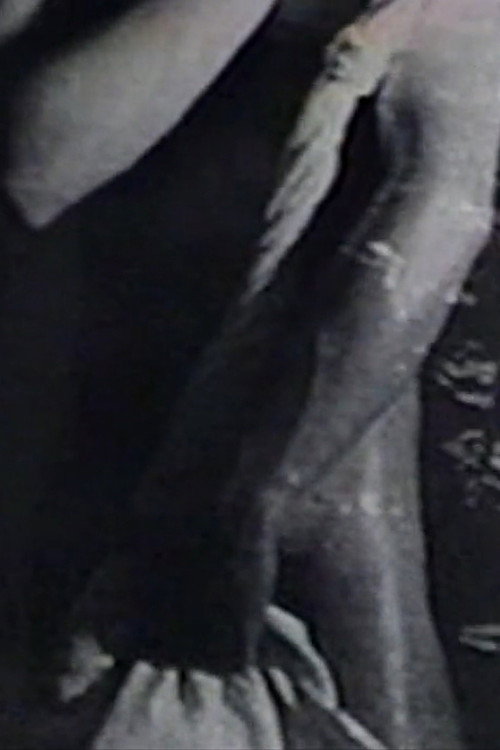
Jabbok 1967
Dive into the hypnotic three-minute visual poem Jabbok (1967), crafted by avant-garde filmmaker Tom Chomont.
Director: Tom Chomont
Cast

Frequently Asked Questions
What is Jabbok (1967) about?
Director Tom Chomont condenses the biblical story of Jacob's midnight battle with an angel at the Jabbok river into a hypnotic 3-minute film. The short explores themes of spiritual struggle, surrender, and transformation through stark visuals and bold contrasts.
Who directed Jabbok?
The film was directed by Tom Chomont, an experimental filmmaker known for his visually arresting and thematically dense short works.
Who stars in Jabbok?
The sole credited performer is Robert Beavers, whose physical presence anchors the film's charged encounter.
Is Jabbok (1967) worth watching?
At just three minutes, Jabbok offers a striking reinterpretation of a timeless biblical moment. While not for mainstream audiences, its bold style and thematic depth make it a rewarding watch for fans of experimental cinema and religious allegory.
How long is Jabbok?
The film runs for 3 minutes.
About Jabbok (1967) — Jacob's Divine Wrestling Match in a Haunting 3-Minute Film
Dive into the hypnotic three-minute visual poem Jabbok (1967), crafted by avant-garde filmmaker Tom Chomont. This abstract meditation reimagines the biblical tale of Jacob's nocturnal wrestle with a divine messenger at the river Jabbok, blending spiritual allegory with stark cinematic minimalism. Shot in striking black-and-white, the film traps its audience in a liminal space where light flickers like doubt and shadows stretch like the angel's wings. Chomont strips the myth to its emotional core—persistence, transformation, and the unspoken pact between heaven and earth—inviting viewers to feel the struggle rather than merely witness it.
Though brief, Jabbok pulses with the weight of its source material, using light, movement, and silence to evoke the tension of a soul tested by the divine. It's less a retelling than a sensory experience, one that lingers long after the credits roll. Fans of experimental cinema and religious allegory will find a rare jewel in this cult short, a micro-drama that grows in interpretive richness with each viewing.