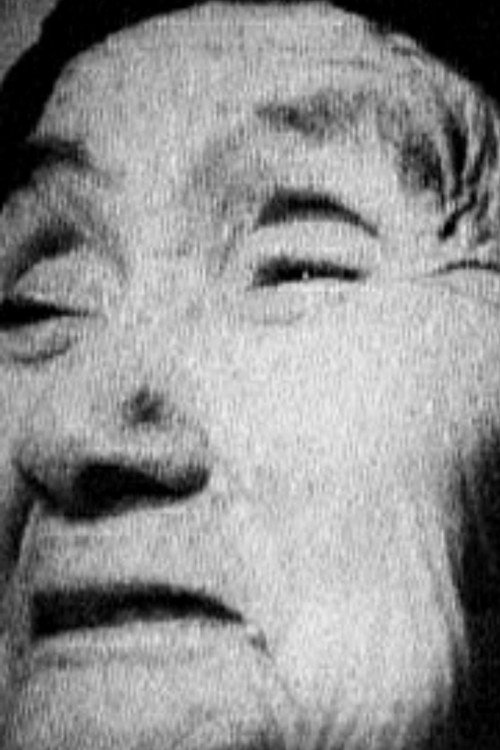
A Portrait of Solitude 1996
Junko Miura's intimate short film, *A Portrait of Solitude* (1996), paints a poignant portrait of Takako Miura, a 92-year-old widow who has crafted an imaginary world to fill the silence left by her late husband.
Director: Junko Miura
Frequently Asked Questions
What is A Portrait of Solitude (1996) about?
This short film follows Takako Miura, a 92-year-old widow who has retreated into an imaginary world where she hosts a radio show for no one. As she sings old Chinese songs and delivers broadcasts to an unseen audience, her isolation becomes both a comfort and a burden. The story culminates in a powerful moment where her inner world clashes with the harsh reality of her empty home.
Who directed A Portrait of Solitude?
Junko Miura directed this poignant short film, bringing a delicate touch to its exploration of aging and solitude.
Who stars in A Portrait of Solitude?
Takako Miura stars in the film, delivering a deeply moving performance as the elderly protagonist navigating her imaginary radio station.
Is A Portrait of Solitude (1996) worth watching?
If you appreciate character-driven films that delve into themes of loneliness and memory, *A Portrait of Solitude* is a compelling choice. Its short runtime belies its emotional depth, making it a thought-provoking experience for fans of introspective cinema.
How long is A Portrait of Solitude?
The film runs for 53 minutes.
About A Portrait of Solitude (1996) — A Haunting Tale of Isolation and Memory
Junko Miura's intimate short film, *A Portrait of Solitude* (1996), paints a poignant portrait of Takako Miura, a 92-year-old widow who has crafted an imaginary world to fill the silence left by her late husband. Living alone since his passing, she has assumed the role of president and sole announcer for a fictional radio station, broadcasting to an audience that exists only in her mind. Her daily broadcasts feature old Chinese songs and whispered messages, but the absence of real listeners fuels her quiet frustration. As a storm rages outside her window, her imaginary world collides with reality in a bittersweet climax that questions the boundaries between memory and madness.
The film's stark black-and-white cinematography amplifies the isolation and melancholy of its protagonist, inviting viewers into a deeply personal exploration of aging, loss, and the fragile line between solitude and companionship.