Parolé 1993
Diane Bonder's *Parolé (1993)* dives into the fraught intersection of sexuality, pathology, and institutional power, reimagining a Havelock Ellis case study through avant-garde filmmaking.
Director: Diane Bonder
Frequently Asked Questions
What is Parolé (1993) about?
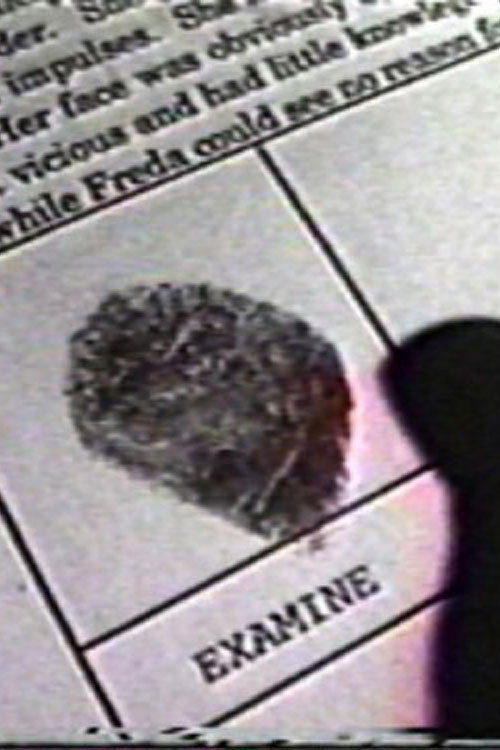
*Parolé* explores how medical and psychological institutions once pathologized queer desire by treating identity as a crime. Using an Ellis case study as its foundation, the film critiques the historical conflation of sexuality with pathology through striking visuals and fragmented narration.
Who directed Parolé?
Diane Bonder helmed *Parolé*, crafting an experimental short that challenges century-old assumptions about gender and deviance.
Who stars in Parolé?
Cast details for *Parolé* are not publicly listed; the film's power lies not in performers but in Bonder's provocative direction and conceptual framing.
Is Parolé (1993) worth watching?
Though unrated and obscure, *Parolé* offers a sharp, concise critique of outdated science with a runtime that matches its bite. Fans of queer cinema or experimental docs will appreciate its bold dismantling of historical myths, even if mainstream appeal is niche.
How long is Parolé?
The film runs 9 minutes in total.
About Parolé (1993) — Experimental documentary exposing 19th-century myths of sexual pathology
Diane Bonder's *Parolé (1993)* dives into the fraught intersection of sexuality, pathology, and institutional power, reimagining a Havelock Ellis case study through avant-garde filmmaking.
This nine-minute experimental documentary dissects how 19th-century medical and psychological discourses wove identity, desire, and criminality into a single narrative, framing queer existence as aberrational. Bonder's lens strips away the veneer of objectivity, exposing the violent assumptions that once dressed science in the robes of truth. The result is a haunting reflection on how labels—not just of love, but of 'normalcy'—are forged in laboratories and courtrooms alike.