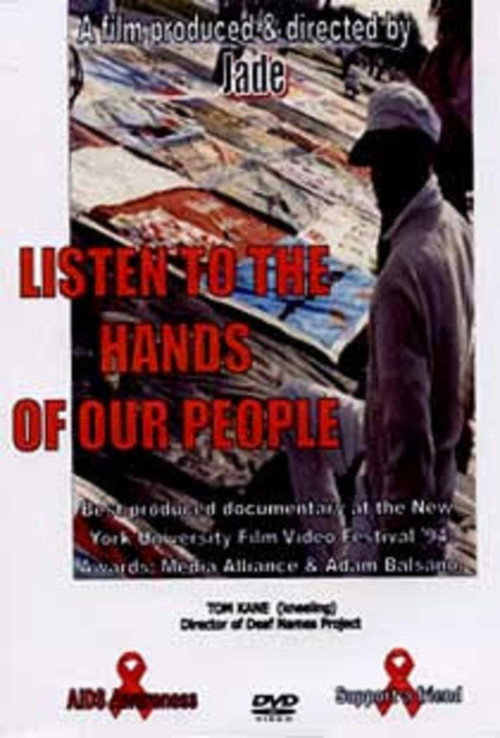
Listen to the Hands of Our People 1994
Dive into the poignant world of *Listen to the Hands of Our People (1994)*, a groundbreaking documentary by director Jade Bryan that sheds light on the often-overlooked intersection of deaf culture, health, and identity.
Director: Jade Bryan
Frequently Asked Questions
What is *Listen to the Hands of Our People (1994)* about?
This documentary follows seven deaf and hard of hearing individuals living with AIDS, exploring their personal journeys, challenges, and the societal barriers they face. It's a rare and intimate look at a community often sidelined in mainstream narratives about health and identity.
Who directed *Listen to the Hands of Our People*?
The film was directed by Jade Bryan, a filmmaker known for her work in amplifying underrepresented voices, particularly those within the deaf community.
Who stars in *Listen to the Hands of Our People*?
The documentary features seven deaf and hard of hearing individuals whose real-life experiences are central to the film. Specific cast names are not listed.
Is *Listen to the Hands of Our People (1994)* worth watching?
While the film tackles heavy themes, its raw authenticity and emotional depth make it a must-watch for those interested in social justice, healthcare narratives, or documentary filmmaking. Its focus on deaf voices adds a layer of urgency and importance to its storytelling.
How long is *Listen to the Hands of Our People*?
The runtime of *Listen to the Hands of Our People* is 90 minutes.
Listen to the Hands of Our People (1994) — A Groundbreaking Documentary on Deaf Voices and Health Struggles
Dive into the poignant world of *Listen to the Hands of Our People (1994)*, a groundbreaking documentary by director Jade Bryan that sheds light on the often-overlooked intersection of deaf culture, health, and identity. This 90-minute film follows seven deaf and hard of hearing individuals navigating life with AIDS, offering a raw and intimate look at their struggles, resilience, and humanity. Through powerful storytelling and unflinching honesty, Bryan crafts an atmosphere of both sorrow and hope, challenging societal perceptions while honoring the voices of those who are rarely heard.
This documentary isn't just a medical case study—it's a deeply personal exploration of community, stigma, and the universal fight for dignity. With its focus on deaf experiences, the film serves as both a historical record and a call for empathy, making it essential viewing for those interested in social justice, healthcare narratives, or underrepresented voices in cinema.