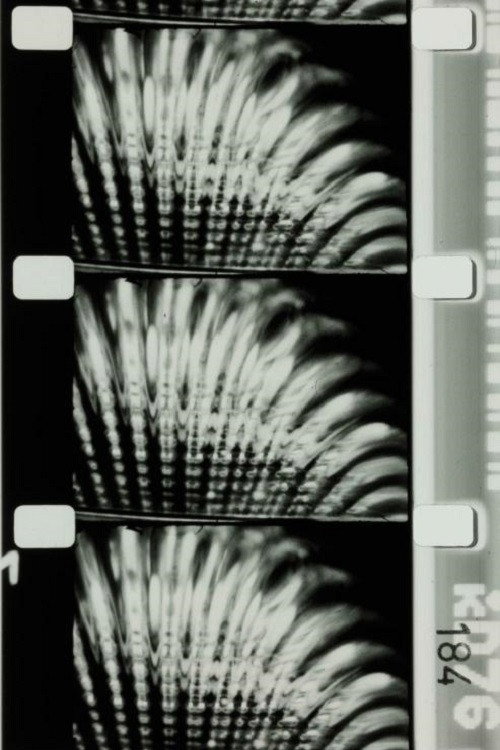
Pénélope 1954
Raymond Hains' *Pénélope (1954)* is a hypnotic, 13-minute experimental short that immerses viewers in a dreamlike visual symphony.
Director: Raymond Hains
Frequently Asked Questions
What is *Pénélope* (1954) about?
*Pénélope* isn't a traditional narrative but a visual poem where light, movement, and tangible surfaces collide. The film plays with abstraction to evoke moods rather than tell a story, leaving audiences to interpret its shifting, dreamlike sequences.
Who directed *Pénélope*?
Director information is not available.
Who stars in *Pénélope*?
Cast details for *Pénélope* are not listed, reflecting its abstract and non-narrative focus.
Is *Pénélope* (1954) worth watching?
For fans of avant-garde cinema, *Pénélope* offers a unique 13-minute escape into experimental artistry. While its abstract nature may not appeal to mainstream tastes, its bold visual style makes it a rewarding watch for those seeking something outside the ordinary.
How long is *Pénélope*?
The runtime for *Pénélope* is 13 minutes.
About Pénélope (1954) — Raymond Hains' 13-Minute Experimental Masterpiece Explained
Raymond Hains' *Pénélope (1954)* is a hypnotic, 13-minute experimental short that immerses viewers in a dreamlike visual symphony. Defying conventional storytelling, the film unfolds as a collage of textures, shadows, and fragmented imagery, where reality bends under the weight of abstraction. Its minimalist approach invites audiences to explore the boundaries of perception, blending surrealism with avant-garde techniques that feel both timeless and daringly modern. The atmosphere oscillates between enigmatic and meditative, leaving space for personal interpretation while challenging the very idea of narrative cinema.
Directed with a painter's eye and a poet's intuition, *Pénélope* captures the essence of mid-century French experimental filmmaking. Though details about its cast remain scarce, the film's legacy lies in its bold visual language, which continues to inspire artists and cinephiles alike. Whether viewed as a bold experiment or an elusive puzzle, this 1954 gem offers a fleeting but unforgettable cinematic experience—one that lingers long after the final fade-out.