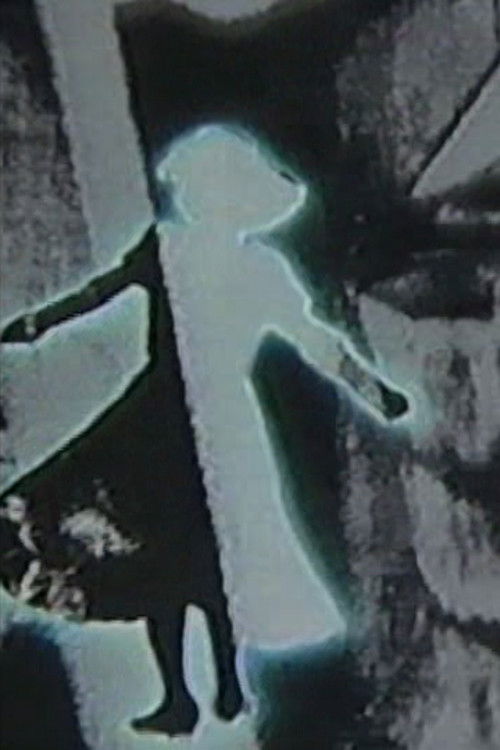
Tokio House 1990
Step into the neon-lit alleys of 1990s Tokyo with *Tokio House (1990)*, a short but striking film directed by Sumiaki Ishida.
Director: Sumiaki Ishida
Frequently Asked Questions
What is Tokio House (1990) about?
*Tokio House* isn't a traditional film but a visual essay, offering a slice-of-life portrait of Tokyo's urban landscape. Through its seven-minute runtime, it captures the rhythm and pulse of city dwellers navigating tight spaces and fleeting connections. Think of it as a cinematic haiku—concise yet evocative.
Who directed Tokio House?
Director Sumiaki Ishida helmed *Tokio House (1990)*, crafting a minimalist yet atmospheric short film that reflects his signature visual style.
Who stars in Tokio House?
Cast details for *Tokio House (1990)* are not publicly listed, leaving the focus entirely on its atmospheric direction and urban setting.
Is Tokio House (1990) worth watching?
At just seven minutes, *Tokio House* is less about storytelling and more about mood. If you appreciate experimental short films or the cinematic portrayal of Tokyo's 1990s aesthetic, it's a unique experience. However, its lack of traditional narrative may not appeal to everyone.
How long is Tokio House?
The runtime of *Tokio House (1990)* is precisely seven minutes, making it a quick but potent cinematic experience.
About Tokio House (1990) — A 7-Minute Glimpse into Tokyo's Neon Soul
Step into the neon-lit alleys of 1990s Tokyo with *Tokio House (1990)*, a short but striking film directed by Sumiaki Ishida. Clocking in at just seven minutes, this micro-drama immerses viewers in a densely atmospheric snapshot of city life, where glass and steel reflect the frenetic energy of its inhabitants. The film's tight runtime belies its depth, weaving themes of transience and connection into a visual poem that lingers long after the credits roll. Without a conventional plot, *Tokio House* thrives on mood, using its compact format to explore the fleeting moments that define urban existence.
Though minimalist in structure, the film's narrative draws power from its setting—a cramped apartment complex that feels like a microcosm of Tokyo itself. Ishida's direction prioritizes atmosphere over dialogue, crafting a sensory experience that evokes the hum of distant trains, the glow of vending machines, and the quiet desperation of solitary lives. It's a snapshot of an era, a fleeting glimpse into a world where everyone is just passing through. Whether you're drawn to its aesthetic or its existential undertones, *Tokio House (1990)* is a cinematic curiosity worth experiencing.