Fédéfé 1976
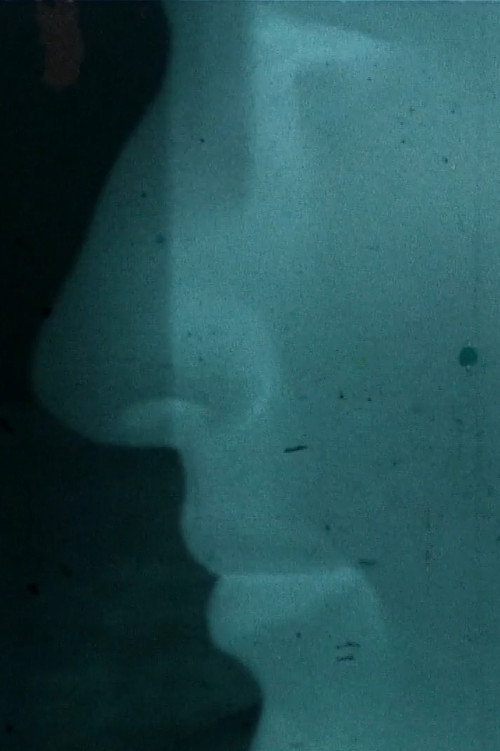
A hypnotic three-minute short film steeped in vibrant hues of green and blue, Fédéfé (1976) by director Barbara Glowczewska explores the raw, unfiltered essence of desire through a female lens.
Director: Barbara Glowczewska
Frequently Asked Questions
What is Fédéfé (1976) about?
This three-minute experimental short film by Barbara Glowczewska immerses viewers in a lush, color-drenched world that explores the nuances of female desire. Through abstract imagery and vivid blue and green hues, it transforms intimate emotions into a striking visual narrative.
Who directed Fédéfé?
Fédéfé was directed by Barbara Glowczewska, a filmmaker known for her avant-garde and visually experimental approach to cinema.
Who stars in Fédéfé?
Cast details for Fédéfé are not publicly listed, as it is a short experimental film focused on visual storytelling rather than traditional acting roles.
Is Fédéfé (1976) worth watching?
While Fédéfé is a niche experimental short, its bold visual style and thematic depth make it a unique experience for fans of avant-garde cinema. Its brevity and artistic execution offer a glimpse into 1970s experimental filmmaking, though it may not appeal to those seeking conventional narratives.
How long is Fédéfé?
Fédéfé runs for 3 minutes, making it a compact yet impactful cinematic experience.
About Fédéfé (1976) — A Bold 3-Minute Exploration of Femme Desire
A hypnotic three-minute short film steeped in vibrant hues of green and blue, Fédéfé (1976) by director Barbara Glowczewska explores the raw, unfiltered essence of desire through a female lens. The film's abstract visuals and evocative palette create a dreamlike atmosphere that lingers long after the credits roll. At its core, Fédéfé captures the intimate and often complex emotions of feminine yearning, transforming personal longing into a shared cinematic experience. Though brief, Glowczewska's work lingers as a bold, experimental snapshot of 1970s avant-garde cinema.
Fédéfé stands out for its minimalist yet striking approach to visual storytelling, where color and movement take precedence over dialogue or conventional narrative. The film's themes resonate with anyone drawn to introspective, visually driven cinema that challenges traditional storytelling. Its brevity belies its depth, making it a compelling watch for fans of bold, artistic short films.