
Madame Wants No Children 1933
Madame Wants No Children (1933) is a German pre-war comedy-drama that explores the unconventional choice of a woman who rejects traditional motherhood expectations.
Director: Hans Steinhoff
Cast



Frequently Asked Questions
What is Madame Wants No Children (1933) about?
The film centers on a woman who makes the unconventional decision to reject motherhood, creating tension within her family and society. Though specific plot details are scarce, the story explores themes of personal choice versus social expectation in 1930s Germany.
Who directed Madame Wants No Children?
The film was directed by Hans Steinhoff, a notable German director of the 1930s era known for his work in both theater and cinema.
Who stars in Madame Wants No Children?
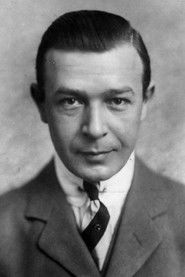
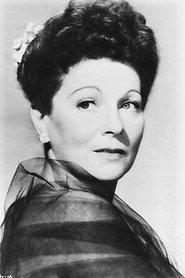
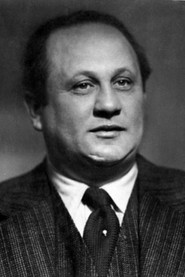
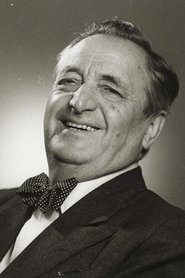
The film features Liane Haid, Georg Alexander, Lucie Mannheim, Otto Wallburg, Erika Glässner, and Willy Stettner in key roles.
Is Madame Wants No Children (1933) worth watching?
With its talented cast and director, the film offers historical value for those interested in German cinema of the early 1930s. While specific ratings aren't available, Steinhoff's direction and the cast's pedigree suggest it's worth exploring for classic film enthusiasts.
How long is Madame Wants No Children?
The film runs for 86 minutes.
Madame Wants No Children (1933): A Forgotten German Comedy About Defying Motherhood
Madame Wants No Children (1933) is a German pre-war comedy-drama that explores the unconventional choice of a woman who rejects traditional motherhood expectations. Directed by Hans Steinhoff, this 86-minute film features a distinguished ensemble cast including Liane Haid, Georg Alexander, and Lucie Mannheim, bringing to life themes of personal autonomy and social conformity in 1930s Germany. The film's atmosphere reflects the sophisticated yet constrained world of its era, where women's roles were strictly defined and challenged.
Steinhoff's direction guides audiences through a story that balances wit with social commentary, as the protagonist's decision creates ripple effects through her family and society. The performances by Haid and Mannheim anchor the narrative with nuanced portrayals of women navigating societal pressures. While the plot specifics remain largely undocumented, the film represents an important snapshot of German cinema during a pivotal historical period.
Fans of classic European cinema will appreciate this rarely-seen gem that showcases the artistry of early sound film. The movie's exploration of gender roles and family dynamics remains relevant today, making Madame Wants No Children (1933) a fascinating discovery for film historians and casual viewers alike.