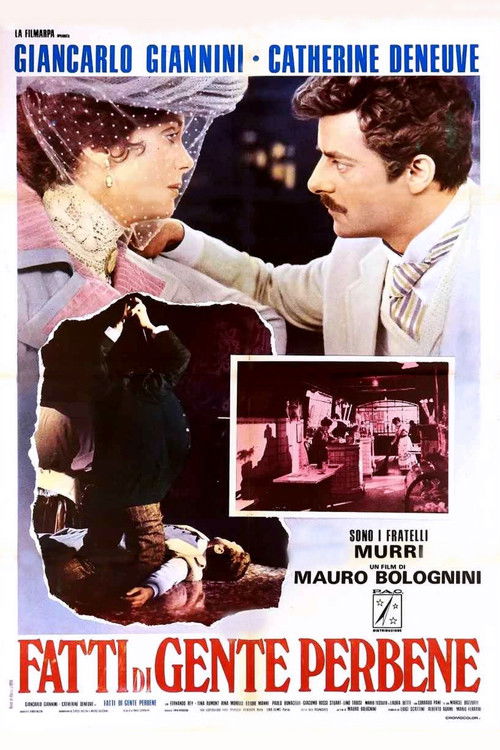
The Murri Affair 1974
"A time of rare beauty. A story of desperate love."
The Murri Affair (1974) is a compelling historical drama directed by Mauro Bolognini that explores themes of political persecution and class conflict in 19th century Italy.
Director: Mauro Bolognini
Cast





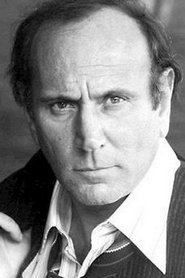
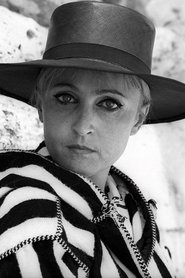
Frequently Asked Questions
What is The Murri Affair (1974) about?
The Murri Affair follows a young man who kills his sister's abusive noble husband, only to face a trial that focuses more on prosecuting his socialist politics than the actual murder. The film explores how the justice system serves the powerful while crushing those who challenge the status quo.
Who directed The Murri Affair?
Mauro Bolognini directed The Murri Affair, bringing his signature style to this politically charged historical drama based on true events.
Who stars in The Murri Affair?
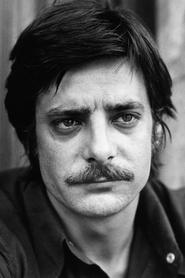
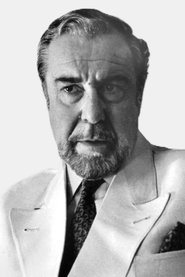
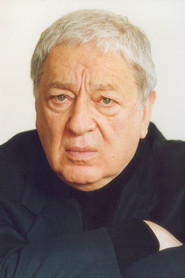
The film features Giancarlo Giannini, Catherine Deneuve, Fernando Rey, Tina Aumont, and Rina Morelli in key roles.
Is The Murri Affair (1974) worth watching?
With its strong performances, particularly from Giannini and Deneuve, and Bolognini's thoughtful direction, The Murri Affair offers compelling historical drama that examines timeless themes of justice and political persecution. History and drama enthusiasts will find it rewarding.
How long is The Murri Affair?
The Murri Affair has a runtime of 115 minutes.
About The Murri Affair (1974) — Political Persecution Meets Personal Tragedy
The Murri Affair (1974) is a compelling historical drama directed by Mauro Bolognini that explores themes of political persecution and class conflict in 19th century Italy. Based on actual events, the film follows a young man who kills his sister's abusive noble husband, only to find himself on trial not for murder, but for his socialist beliefs and his father's reformist activities. The story unfolds against the backdrop of a society torn between tradition and progress.
Starring Giancarlo Giannini in a powerful performance alongside Catherine Deneuve and Fernando Rey, the film captures the tension between personal tragedy and political upheaval. Bolognini's direction brings gravitas to this tale of love, violence, and injustice, where the real crime becomes the system that protects the powerful while punishing the principled. The atmospheric cinematography and period detail immerse viewers in a world where politics and passion collide.